
Work Visa Requirements for a Smooth Application
Working abroad can be a major career milestone. It can provide access to new professional opportunities, international experience, and exposure to different workplace cultures. However, before an international worker can legally begin employment, they usually need to satisfy specific immigration conditions. Understanding the Work Visa Requirements in advance can make the application process more organised and reduce avoidable mistakes.
Work visa rules are not the same everywhere. Requirements can depend on the destination country, visa category, occupation, employer, salary, qualifications, and intended length of stay. Some workers require employer sponsorship, while others may qualify through skilled-worker, temporary-worker, or specialised employment programmes.
A smooth application begins with preparation. By identifying the correct visa route, gathering accurate evidence, and carefully reviewing every requirement, applicants can approach the process with greater confidence.
What Are Work Visa Requirements?
Work Visa Requirements are the eligibility conditions established by a country’s immigration authority for foreign nationals seeking permission to work legally.
Depending on the visa category, an applicant may need:
- A valid passport
- A qualifying job offer
- Employer sponsorship
- Proof of qualifications
- Relevant work experience
- Salary evidence
- Financial documents
- Language evidence
- Health documentation
- Criminal record certificates
- Application forms
- Required fees
The exact list differs between countries and visa routes, so applicants should always check the current requirements for their specific situation.
Why Preparation Matters
A work visa application can involve multiple documents and deadlines. A missing certificate or inconsistent piece of information can cause unnecessary delays.
Preparing early gives applicants time to obtain official records, arrange translations, complete medical requirements, and communicate with their employer.
It also provides an opportunity to identify potential eligibility problems before paying fees or making major travel arrangements.
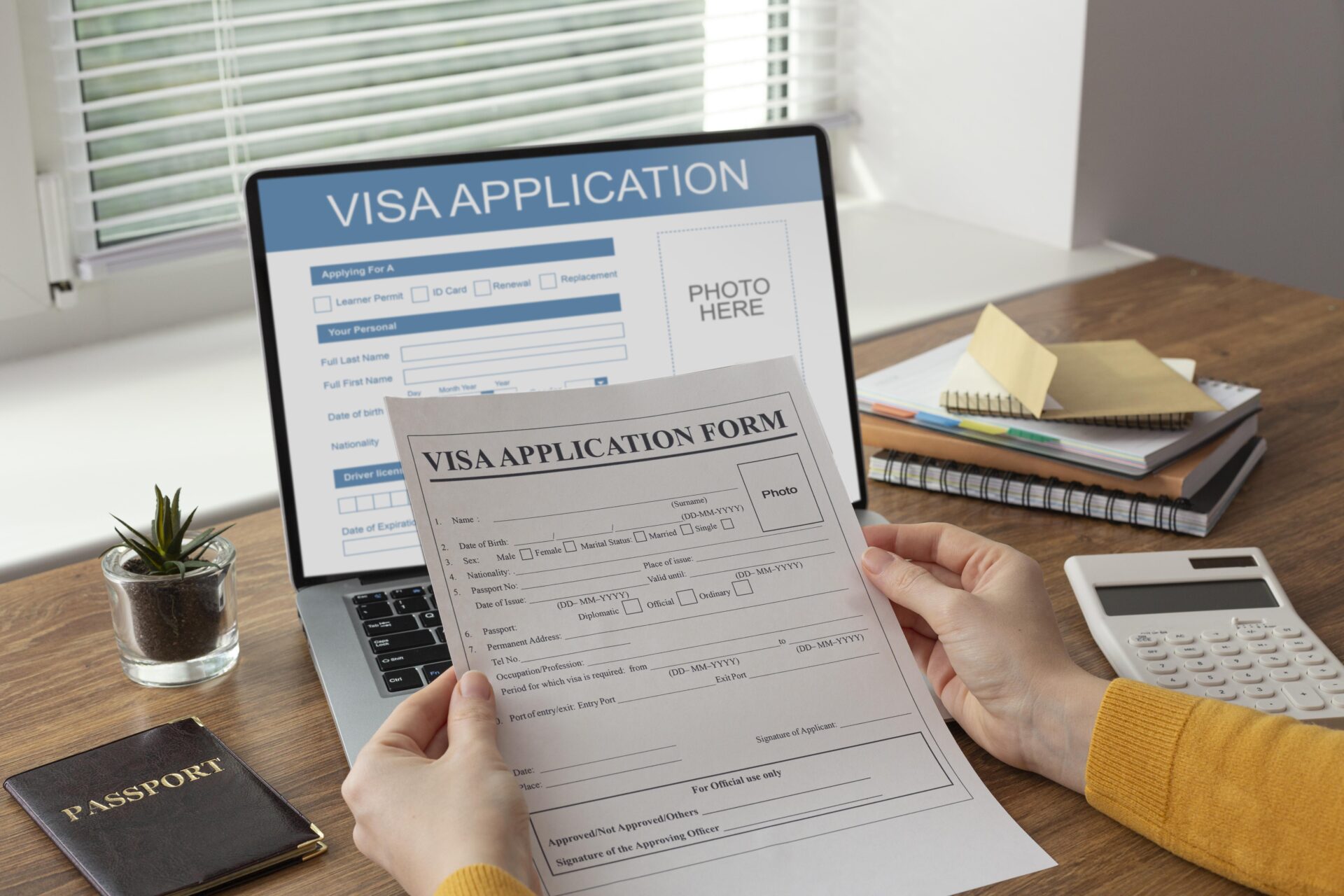
1. Select the Correct Visa Category
The first step toward a smooth application is selecting the correct immigration route.
Depending on the country, work visa categories may include:
- Skilled-worker visas
- Temporary work visas
- Seasonal work visas
- Highly skilled professional routes
- Researcher visas
- Healthcare worker routes
- Intra-company transfer visas
- Specialised employment categories
Read the official eligibility criteria carefully and select the route that matches your job and circumstances.
2. Secure a Qualifying Job Offer
Many Work Visa Requirements include a formal employment offer.
The job may need to meet specific conditions relating to occupation, salary, skill level, contract length, or working hours.
Review your employment contract before applying. Make sure the employer’s name, job title, salary, start date, and other important information are accurate.
The details in your visa application should match the employment documents.
3. Confirm Employer Sponsorship
Some work visa programmes require employers to sponsor foreign workers.
The employer may need to be authorised by the immigration authority and complete specific sponsorship procedures.
Applicants should communicate with their employer’s human resources department or designated contact to understand which sponsorship steps have been completed.
Do not assume that every employer can sponsor every type of work visa.
4. Review Salary Conditions
Salary requirements are an important part of many work visa routes.
Some countries establish minimum salary thresholds for particular occupations or immigration categories.
Before submitting your application, compare the salary in your employment contract with the current immigration rules.
If the offered salary does not satisfy the relevant condition, the job may not qualify for that particular visa category.
5. Prepare Qualification Evidence
Some jobs require specific academic or professional qualifications.
Applicants may need:
- Degree certificates
- Diplomas
- Training records
- Professional licences
- Registration documents
- Qualification assessments
If your qualifications were obtained abroad, check whether they need formal recognition or evaluation.
Regulated professions may have additional requirements beyond the work visa itself.
6. Document Your Work Experience
Certain Work Visa Requirements include minimum work experience.
Employment letters, contracts, payslips, professional references, or other records may be used to demonstrate previous employment.
Check that job titles, employment dates, and other information are consistent across documents.
Never exaggerate your experience. Immigration applications should contain truthful and verifiable information.
7. Check Passport Validity
A valid passport is essential for most international work visa applications.
Check the expiry date and any minimum validity rules that apply to your visa.
Make sure your name, date of birth, nationality, and passport number are entered correctly in the application.
If your passport is nearing expiration, review the destination country’s instructions before deciding whether to renew it.
8. Prepare Financial Evidence
Some work visa categories require applicants to demonstrate sufficient financial resources.
The purpose may be to show that the applicant can support themselves during the initial period of residence.
Evidence may include bank statements, savings records, employment documents, or other accepted proof.
Financial requirements vary, so use the official rules for your specific visa category.
9. Check Language Requirements
Language requirements may apply to certain work visa routes.
The required level and accepted evidence can vary according to the destination country, occupation, and visa category.
Some applicants may need to pass an approved language test.
Before taking a test, confirm that the examination is recognised for your intended visa route.
10. Complete Health Requirements
Some countries require foreign workers to complete health examinations or specific medical tests.
Requirements may depend on nationality, occupation, previous residence, and intended duration of stay.
Where an approved medical provider is required, follow the official instructions.
Completing health-related requirements early can help keep the application on schedule.
11. Obtain Criminal Record Documents
Certain applicants may need police clearance or criminal record certificates.
The requirement can depend on factors such as age, residence history, nationality, and visa type.
Check whether certificates must be issued recently or whether they require translation, apostille certification, or legalisation.
Because obtaining official records may take time, begin this step early when applicable.
12. Organise Supporting Documents
Good organisation can make the application easier to review.
Create folders for:
- Passport and identity documents
- Employment offer and contract
- Sponsorship documents
- Qualifications
- Work experience
- Financial evidence
- Language evidence
- Health documents
- Criminal record certificates
- Translations
- Application confirmations
Keep copies of everything you submit.
13. Complete the Application Accurately
Read every question carefully when completing your visa application.
Pay particular attention to personal details, addresses, employment history, job information, salary, education, and travel history.
The information should be truthful and consistent with your supporting evidence.
Before submitting, review the application from beginning to end rather than checking only the sections you think are important.
14. Follow Translation Rules
Documents written in a language that is not accepted by the immigration authority may require official translation.
Some authorities specify who can provide translations or what certification is required.
Check the current rules before submitting translated documents.
If authentication or legalisation is required, complete that process according to the official instructions.
15. Pay Fees and Complete Biometrics
Most work visa applications involve fees.
Additional costs may apply for biometrics, medical services, document processing, or optional processing services.
Confirm the latest fees before payment and retain receipts.
Many applications also require fingerprints and photographs. Attend the designated biometric appointment and bring the requested documents.
Common Mistakes to Avoid
Applicants can make the process smoother by avoiding common errors, including:
- Selecting the wrong visa category
- Failing to confirm employer sponsorship
- Applying for a job that does not meet salary requirements
- Submitting incomplete evidence
- Using expired documents
- Providing inconsistent information
- Ignoring translation requirements
- Missing biometric appointments
- Relying on outdated immigration information
- Submitting false or altered documents
A careful final review can help identify many of these problems.

How to Prepare for a Smooth Application
Start the process as early as possible. Create a personalised checklist based on the official Work Visa Requirements for your specific visa category.
Confirm your employer’s responsibilities, gather documents systematically, and track anything that is still outstanding.
Before submission, verify that all information is consistent and that documents are clear, valid, and properly translated where required.
If your case involves unusual circumstances, a regulated profession, or complicated immigration history, qualified immigration advice may help you understand the applicable rules.
Work Visa Requirements Checklist
Before submitting your application, confirm:
- Correct visa category selected
- Qualifying job offer secured
- Employer sponsorship confirmed where required
- Salary requirements checked
- Qualifications prepared
- Work experience documented
- Passport validity confirmed
- Financial evidence prepared
- Language requirements reviewed
- Health requirements completed where applicable
- Criminal record documents prepared where required
- Translations completed
- Authentication requirements checked
- Application reviewed
- Fees confirmed and paid
- Biometrics completed or scheduled
- Copies of submitted documents saved
Final Thoughts
Meeting Work Visa Requirements is an essential part of planning an international career. While the specific conditions vary by country and visa category, most applicants benefit from a structured approach that begins with choosing the right visa and confirming eligibility.
From employment offers and sponsorship to qualifications, salary, financial evidence, health checks, and background documents, every requirement should be reviewed carefully.
The goal should not be to submit an application as quickly as possible. Instead, focus on submitting accurate, complete, and genuine information that clearly addresses the requirements of your visa route.
Immigration policies can change, so always check the latest official guidance before applying. Information from another worker’s experience may not apply to your circumstances.
With early preparation, careful organisation, and a thorough review of the Work Visa Requirements, international workers can make the application process more manageable and take a confident step toward legal employment abroad.