
UK Visa Requirements Checklist for Better Preparation
Applying for a UK visa can be a significant step toward studying, working, visiting, or joining family in the United Kingdom. Although the process can seem overwhelming, good preparation can make it much easier to manage. One of the best ways to stay organised is to create a clear checklist based on the UK Visa Requirements that apply to your specific immigration route.
The UK offers different visa categories, and each has its own eligibility criteria, documentation requirements, and application procedures. A visitor, international student, skilled worker, and family visa applicant will not necessarily need the same evidence. Therefore, applicants should always identify their correct visa route before collecting documents.
This guide provides a practical overview of the key areas to review when preparing a UK visa application.
Why a UK Visa Requirements Checklist Matters
A checklist helps applicants keep track of important documents, deadlines, payments, and application steps. Without an organised approach, it is easy to overlook a document or enter inconsistent information.
The purpose of a checklist is not to replace official immigration guidance. Instead, it helps you organise the requirements that apply to your circumstances.
Before using any checklist, review the latest official UK government information for your specific visa category.
1. Confirm Your Visa Category
The first item on your checklist should be the correct visa route.
Depending on your purpose, you may be applying as a:
- Visitor
- Student
- Skilled Worker
- Family member
- Temporary worker
- Transit passenger
- Applicant under another immigration route
Each category has different UK Visa Requirements.
Do not select a visa simply because someone you know used the same route. Your purpose, circumstances, nationality, and supporting evidence can affect the appropriate category.
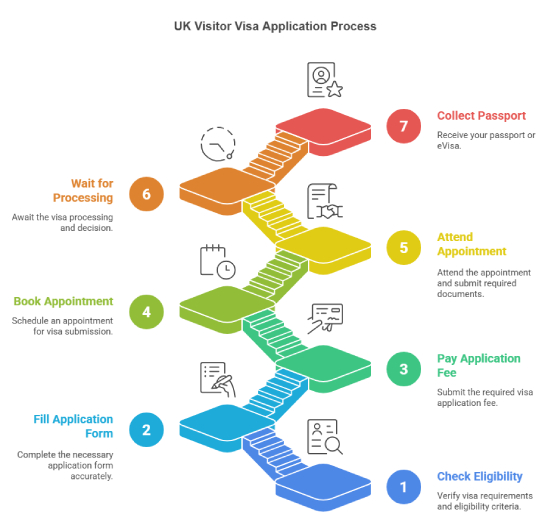
2. Check Your Passport
Your passport is one of the most important identity documents in the application process.
Check:
- Full name
- Date of birth
- Nationality
- Passport number
- Expiry date
- Condition of the document
When completing your application, make sure the information matches your passport exactly.
Keep your passport secure and follow the official instructions regarding submission or verification.
3. Review Your Eligibility
Once you know your visa category, review the eligibility conditions.
Some routes may require sponsorship, admission to an institution, qualifying employment, sufficient funds, or another specific condition.
Write down each requirement that applies to you and identify the document that will support it.
This creates a personalised preparation plan instead of relying on a generic checklist.
4. Prepare Financial Evidence
Financial evidence is an important part of some UK Visa Requirements.
Depending on your visa route, you may need to demonstrate that you have sufficient funds to meet specified conditions.
For students, financial requirements can relate to tuition fees and living expenses. Other routes may have different financial rules.
Check the current requirements carefully, including the type of evidence accepted and any relevant dates or holding-period rules.
Do not rely on outdated financial figures.
5. Gather Sponsorship Documents
Some visa routes require sponsorship.
Students may have sponsorship information from their education provider, while eligible workers may have information from their employer.
Review the relevant sponsorship document carefully and make sure your application reflects the information it contains.
If you find an error, contact the relevant institution or sponsor before submitting the application.
6. Check Student Visa Documents
International students should add their education documents to their preparation checklist.
Depending on the circumstances, these may include:
- Confirmation of Acceptance for Studies
- Passport
- Financial evidence
- Academic information
- English language evidence where applicable
- Tuberculosis certificate where required
- Other supporting documents
Your university should provide guidance about admission documents, but you should also review the current visa requirements independently.
7. Check Work Visa Documents
Applicants using a work route should review their employment and sponsorship information.
Depending on the route, relevant information may include the employer, job, sponsorship, and other eligibility details.
Make sure the information in your application is accurate and consistent with your official employment documentation.
8. Review English Language Requirements
Some UK Visa Requirements include English language conditions.
The way you demonstrate English proficiency depends on the visa route and your circumstances.
You may need an approved test, qualification, or another accepted form of evidence.
Do not assume that a particular certificate will automatically satisfy the requirement. Check the current rules for your route.
9. Check Health Requirements
Some applicants may need to meet health-related requirements.
For example, certain applicants may need a tuberculosis test certificate depending on their country of residence and other circumstances.
Add this to your checklist early so you have enough time to complete any required testing.
Always confirm the current requirements before arranging a test.
10. Prepare Translations
Documents that are not in English or Welsh may require translations.
Check the current instructions to determine whether a translation is necessary and whether specific certification or translator information is required.
Make sure translations accurately represent the original documents.
Incomplete or unsuitable translations can create unnecessary problems.
11. Complete the Online Application
Many UK visa applications are completed online.
When filling out the application, check every answer carefully.
Pay particular attention to:
- Personal information
- Passport details
- Travel history
- Employment history
- Education history
- Financial information
- Sponsor details
- Family information
- Intended travel dates
Never guess an answer. If you are unsure about a question, consult the appropriate official guidance.
12. Review the Application Before Submission
Before clicking submit, compare your application with your supporting documents.
Check names, dates, passport numbers, course information, employment details, financial information, and other relevant data.
A final review can help identify genuine typing errors or inconsistencies before the application is submitted.
13. Check Visa Fees
Add applicable visa fees to your preparation checklist.
UK visa fees can change, and the amount can depend on the application route and circumstances.
If applicable, you may also need to consider the Immigration Health Surcharge.
Check the current official fee information before making payment and keep your confirmation records.
14. Complete Biometric Requirements
Depending on your application process, you may need to provide biometric information.
This may involve fingerprints and a photograph.
After submitting the application, carefully follow the instructions regarding appointments or identity verification.
If you need to attend an appointment, arrive prepared with the required documents.
15. Check Application Timing
Timing is another important checklist item.
Different visa routes have different rules about when you can apply.
Processing times can also vary.
Start preparing early, especially if you have a university course, employment start date, or planned trip with a fixed schedule.
Avoid leaving important documentation until the final days before your intended travel date.
Common Mistakes to Remove From Your Checklist
A good checklist should also include mistakes to avoid.
Common problems include:
- Choosing the wrong visa route
- Using outdated requirements
- Submitting incomplete documents
- Entering incorrect passport information
- Providing inconsistent details
- Ignoring financial evidence rules
- Overlooking translation requirements
- Applying too late
- Providing false or altered documents
Applicants should always provide truthful information and genuine evidence.
How to Organise Your UK Visa Documents
A simple folder system can make preparation easier.
Create separate sections for identity documents, financial evidence, education or employment information, sponsorship, health requirements, translations, and application confirmations.
Keep digital copies where appropriate and make sure important files are readable.
Use clear filenames so you can quickly identify each document.
Good organisation can save time when reviewing your application.

Should You Get Professional Support?
Some applicants choose professional visa assistance when they are unsure about document organisation or application procedures.
A reputable adviser may help identify areas that require attention and explain general application procedures.
However, professional assistance does not guarantee approval.
Applicants remain responsible for the accuracy of their information and should verify important immigration requirements using current official sources.
Final UK Visa Requirements Checklist
Before submission, confirm:
- Correct visa category selected
- Passport checked
- Eligibility requirements reviewed
- Financial requirements checked
- Sponsorship documents prepared where applicable
- Student or employment documents prepared where applicable
- English language requirements checked
- Health requirements checked
- Translation requirements followed
- Online application completed accurately
- Supporting documents reviewed
- Applicable fees checked
- Biometric requirements completed or scheduled
- Application timing confirmed
- All information is truthful and consistent
Final Thoughts
Preparing for a UK visa becomes much easier when you turn the UK Visa Requirements into a clear, personalised checklist. Instead of trying to remember every detail, you can work through each requirement systematically and identify missing information before submission.
Start by selecting the correct visa category and checking your eligibility. Then prepare your passport, financial evidence, sponsorship documents, academic or employment records, language evidence, health documents, and translations where applicable. Complete your application carefully and review every detail before submitting it.
Remember that immigration rules can change, and requirements differ between visa categories and applicants. Always use the latest official guidance as your main source of information.
A checklist cannot guarantee visa approval, but it can help you become better organised and reduce avoidable mistakes. By preparing early and paying close attention to the UK Visa Requirements, you can approach your UK visa application with greater clarity, confidence, and peace of mind.