
Queen’s University Belfast Guide to Campus Experience
Choosing a university is about more than finding the right academic programme. The campus environment, student community, facilities, support services, location, and opportunities outside the classroom can all shape how students experience higher education. For students considering studying in Northern Ireland, understanding what daily life may look like can make the decision easier.
Queen’s University Belfast offers a distinctive university experience that combines a historic campus atmosphere with modern learning environments and a lively student community. Located in Belfast, the university provides students with opportunities to study, socialise, participate in activities, access support, and explore life in a major UK city.
Whether you are an undergraduate, postgraduate, or international applicant, this guide explores the different aspects of the Queen’s University Belfast campus experience and explains what prospective students should consider before making their decision.
What Makes the Queen’s University Belfast Campus Experience Different?
A university campus becomes more than a place to attend lectures when students begin using its facilities, meeting people, joining activities, and developing their independence.
At Queen’s University Belfast, students can experience a mixture of traditional university architecture, modern academic facilities, social spaces, study environments, and student services. This combination creates opportunities for both academic development and personal growth.
1. A Historic University Setting
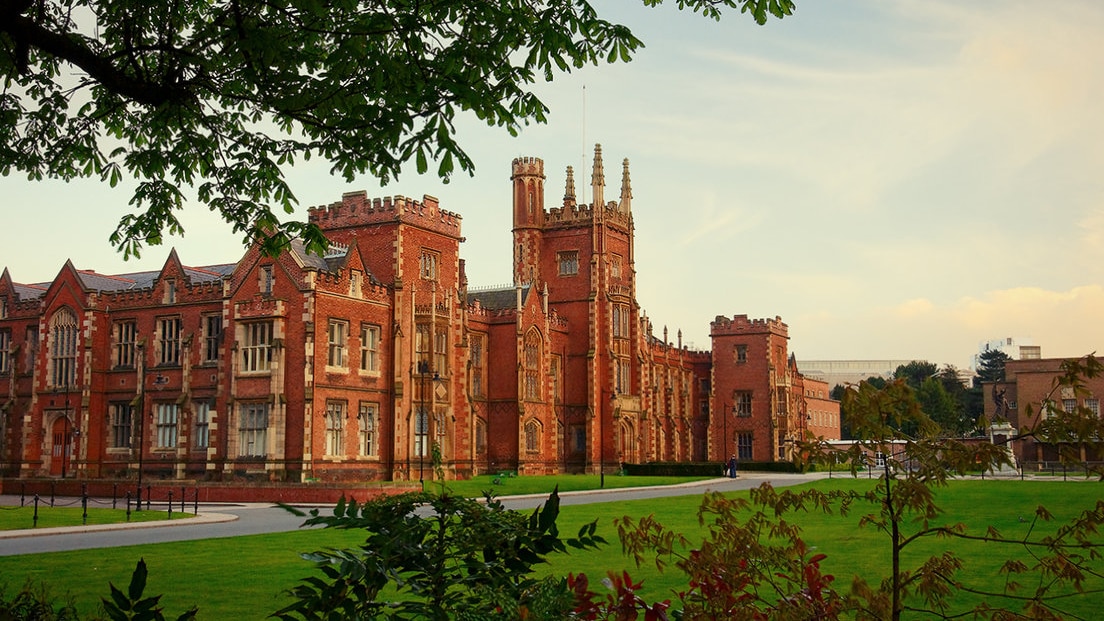
One of the most recognisable aspects of Queen’s University Belfast is its historic character.
The university has a long academic tradition, and its campus includes architecture that reflects this heritage. Walking through a historic university environment can give students a strong sense of connection with the institution’s past.
At the same time, the campus continues to evolve, providing contemporary facilities suited to modern education.
2. Modern Learning Environments
Students spend much of their university life studying, so access to suitable learning spaces is important.
Depending on their programme, students may use lecture theatres, seminar rooms, laboratories, computer facilities, specialist teaching spaces, and other academic environments.
These spaces can support different approaches to learning, from lectures and group discussions to practical work and independent study.
3. Library and Study Facilities
Independent learning is an essential part of university education.
Students need places where they can read, conduct research, complete assignments, and prepare for examinations. Library facilities can provide access to academic materials, digital resources, study spaces, and research support.
Students can also benefit from developing their own study routines and learning how to use academic resources effectively.
4. Specialist Facilities for Different Courses
Not every student has the same academic requirements.
Science and healthcare students may need laboratories and specialist equipment, while computing students may require technology-focused facilities. Other programmes can involve studios, research resources, specialist teaching areas, or practical environments.
Prospective students should investigate the facilities available specifically for their chosen course at Queen’s University Belfast.
5. Student Union and Community
A strong student community can make the transition into university life easier.
The Students’ Union provides opportunities to participate in societies, campaigns, activities, events, and student-led initiatives.
Joining a society can help students meet people with similar interests while also providing opportunities to develop communication, teamwork, organisation, and leadership skills.
6. Societies and Clubs
University societies can cover a wide range of interests.
Students may find academic groups, cultural societies, creative organisations, sports clubs, volunteering activities, and other communities.
Getting involved does not mean joining everything. Choosing activities that genuinely interest you can make your university experience more enjoyable without creating unnecessary pressure.
7. Sports and Fitness
Staying active can be a useful part of maintaining a balanced student lifestyle.
Students can participate in sports clubs, fitness activities, and other recreational opportunities depending on their interests.
Sport can also provide a social environment where students can meet new people while developing teamwork and discipline.
8. Student Accommodation
Accommodation can have a significant effect on the overall university experience.
Living in university accommodation can provide opportunities to meet other students and become part of a wider community. Different accommodation options can offer different room types, facilities, locations, and costs.
Students considering Queen’s University Belfast should research accommodation availability, pricing, contract conditions, application deadlines, and distance from campus before making arrangements.
9. Support for International Students
Moving to a new country can involve academic, cultural, and practical adjustments.
International students can benefit from university support services designed to help them understand university processes, settle into student life, and access appropriate guidance.
A diverse student community can also make it easier to meet people from different backgrounds and develop international friendships.
10. Careers and Employability
University is an important time to prepare for life after graduation.
Career services can help students explore potential careers, develop application skills, prepare for interviews, and investigate work experience.
Students at Queen’s University Belfast can use career-related opportunities to connect their academic studies with professional goals.
Starting career planning early can give students more time to develop relevant skills and experience.
11. Social Spaces on Campus
Campus life includes plenty of time between classes.
Social areas, cafés, common spaces, and other informal environments can give students opportunities to relax, meet friends, discuss coursework, or simply take a break.
These everyday interactions can become an important part of the university experience.
12. Belfast as Part of the Experience
The campus cannot be separated completely from its location.
Queen’s University Belfast is situated in Belfast, giving students access to the wider city and its cultural, social, educational, and professional opportunities.
Students can explore museums, entertainment venues, restaurants, shops, parks, events, and other attractions while experiencing life in Northern Ireland’s capital.
13. Cultural Opportunities
Belfast has a varied cultural environment.
Students can experience music, theatre, exhibitions, festivals, historic attractions, and other activities outside the university.
These opportunities can help students develop interests beyond their academic subjects and make their time at university more memorable.
14. Meeting New People
University can be one of the best opportunities to meet people from different backgrounds.
Lectures, group projects, accommodation, societies, sports clubs, events, and volunteering can all create opportunities for students to develop friendships.
Being willing to introduce yourself and participate in activities can make the transition into university life easier.
15. Independent Living Skills
For many students, university is their first experience of living more independently.
Students may need to manage their schedules, finances, meals, academic deadlines, and personal responsibilities.
These experiences can help develop organisation, decision-making, responsibility, and time-management skills.
16. Balancing Study and Social Life
A successful campus experience requires balance.
Students should make time for academic work while also allowing space for rest, friendships, hobbies, and extracurricular activities.
Creating a realistic weekly routine can help students avoid becoming overwhelmed and make better use of campus opportunities.
17. Personal Development Opportunities
University can support development beyond academic qualifications.
Students can build confidence by participating in societies, volunteering, presentations, group projects, sports, events, and leadership activities.
These experiences can help develop transferable skills that may later be useful in employment.
18. Using Campus Resources Effectively
Students should not wait until they have a problem before discovering what resources are available.
Explore the library, study areas, student services, societies, careers support, sports facilities, and other campus resources early.
Knowing where to find help can make university life more manageable.
19. A Campus Experience for International Students
For international students, campus life can provide more than academic education.
Studying alongside people from different countries can encourage cultural exchange and broaden perspectives. Students can develop communication skills while becoming more comfortable in an international environment.
The wider Belfast experience can also introduce international students to Northern Irish culture and everyday life.

20. How to Make the Most of Queen’s University Belfast
The best campus experience comes from active participation.
Attend orientation activities, explore the campus, meet classmates, join suitable societies, use academic resources, attend career events, and ask for support when necessary.
At the same time, remember that every student has a different personality and comfort level. You do not need to participate in every activity to have a rewarding university experience.
What Prospective Students Should Check
Before choosing Queen’s University Belfast, consider:
- Course structure and modules
- Teaching and assessment methods
- Course-specific facilities
- Library and study resources
- Accommodation options
- Student societies
- Sports and recreation
- Careers support
- International student services
- Campus location
- Living costs
- Transport
- Student community
Facilities, services, and course arrangements can change, so always check the latest official information for your chosen programme and intake.
Final Thoughts
Queen’s University Belfast offers a campus experience that combines academic study, historic surroundings, modern facilities, student activities, support services, and opportunities to explore Belfast.
For students, the experience can extend well beyond lectures. Societies, sports, friendships, cultural activities, independent living, and career development can all contribute to personal growth.
Prospective students should look closely at the specific course and facilities they are interested in while also considering accommodation, living costs, support services, and the wider city environment.
Ultimately, the value of the Queen’s University Belfast experience depends partly on how actively students engage with the opportunities available. By balancing study with meaningful activities and making good use of campus resources, students can create a rewarding and memorable university journey.