
HR Strategy & Policy Development for Smarter HR Practices
Human resources has evolved far beyond administrative paperwork and basic employee management. Modern organisations need HR practices that support business goals, develop capable employees, manage workforce risks, and create a positive workplace experience. As businesses grow and working environments become more complex, having clear and practical HR systems becomes increasingly important. This is where HR Strategy & Policy Development can help organisations build smarter, more consistent, and future-focused HR practices.
A strong HR strategy provides direction for managing people, while effective HR policies turn that direction into practical workplace processes. When both are aligned, HR teams can make better decisions, managers can understand their responsibilities, and employees can receive clearer guidance. The result is an HR function that is not only organised but also capable of supporting wider organisational performance.
What Is HR Strategy & Policy Development?
HR Strategy & Policy Development involves designing a structured approach to managing an organisation’s workforce and creating policies that guide everyday employment practices. An HR strategy may focus on workforce planning, recruitment, employee development, performance, engagement, leadership, retention, and organisational capability.
Policies provide practical rules and procedures for areas such as recruitment, attendance, leave, workplace conduct, performance management, flexible working, grievances, employee development, and employee relations.
When strategic goals and HR policies work together, organisations can create more consistent and effective people-management practices.
Why Smarter HR Practices Matter
Traditional HR processes can become inefficient when they rely heavily on manual administration, unclear procedures, or outdated policies. Employees may not know where to find information, managers may handle similar situations differently, and HR teams may spend excessive time solving avoidable problems.
Smarter HR practices focus on clarity, consistency, efficiency, employee experience, and continuous improvement. HR Strategy & Policy Development provides a foundation for achieving these goals.
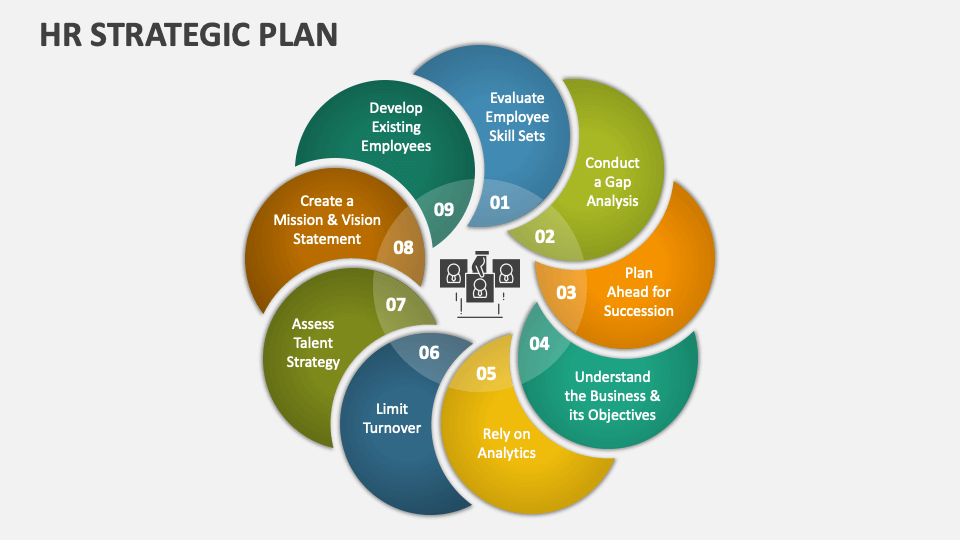
1. Aligns HR With Business Strategy
HR should contribute directly to organisational priorities.
If a business plans to expand, HR may need to focus on recruitment and workforce capacity. If the organisation is adopting new technology, employees may require reskilling and development. If retention is a concern, HR may need to review engagement, management practices, and career opportunities.
Strategic alignment ensures that HR initiatives support real business requirements.
2. Creates Clear HR Policies
Clear policies make workplace processes easier to understand.
Employees and managers need practical guidance on matters such as leave, attendance, performance, workplace behaviour, flexible working, and employee concerns. Well-written policies create a consistent reference point.
Policies should be accessible, written in understandable language, and reviewed regularly to remain relevant.
3. Improves HR Decision-Making
Good HR decisions require reliable information and clear frameworks.
An HR strategy can establish priorities, while policies provide procedures for implementing them. This allows HR professionals and managers to make decisions based on agreed principles rather than relying entirely on individual judgement.
Better decision-making can improve consistency across departments.
4. Supports Workforce Planning
Organisations need the right people and capabilities at the right time.
Workforce planning helps HR teams understand current staffing levels, skills gaps, future roles, succession needs, and potential workforce risks. This information can guide recruitment, development, and retention strategies.
A proactive approach is more effective than waiting until staffing problems become urgent.
5. Strengthens Recruitment Practices
Recruitment is more successful when organisations know exactly what they need.
HR Strategy & Policy Development can help establish structured recruitment processes, clear job requirements, appropriate selection criteria, and consistent approval procedures. These practices can improve candidate quality and reduce unnecessary delays.
A strong employer brand and positive candidate experience can further support recruitment efforts.
6. Improves Employee Onboarding
Smart HR practices begin when an employee joins the organisation.
A structured onboarding process can introduce new employees to their role, colleagues, workplace systems, policies, values, and performance expectations. Clear onboarding reduces uncertainty and helps new employees understand how they can contribute.
HR teams can use onboarding feedback to identify areas that require improvement.
7. Supports Employee Development
Organisations need employees who can adapt as business requirements change.
HR strategy can identify important current and future capabilities, while development policies can guide training, learning opportunities, career progression, and internal mobility.
Investing in development can benefit both employees and organisations by strengthening skills and supporting future workforce needs.
8. Makes Performance Management More Effective
Performance management should be a continuous process rather than an annual formality.
Clear HR policies can establish expectations for objective setting, feedback, performance reviews, recognition, and performance improvement. Managers can use these frameworks to communicate more effectively with employees.
When performance expectations are clear, employees have a better understanding of how their contributions are evaluated.
9. Encourages Employee Engagement
Engaged employees are more likely to contribute ideas, collaborate with colleagues, and take ownership of their work.
HR strategy can include initiatives around communication, recognition, development, employee feedback, and workplace culture. Policies can provide consistent processes for implementing these initiatives.
Regular employee feedback can help HR teams understand what is working and where improvements are needed.
10. Promotes Fair and Consistent Practices
Consistency is an important part of effective HR management.
Employees should understand how important workplace processes operate and what standards apply to them. Structured policies can help managers approach recruitment, performance, employee relations, and workplace conduct more consistently.
Organisations should still consider individual circumstances while applying appropriate principles fairly.
11. Supports Legal and Regulatory Compliance
HR practices must operate within applicable employment laws and regulations.
Policies can provide structured processes for areas such as workplace safety, equality, employee rights, data handling, leave, and employment procedures. Regular reviews help organisations identify when policies may need updating.
For complex legal matters, organisations should seek appropriate professional advice rather than relying solely on general policy templates.
12. Reduces HR-Related Risks
People management can involve operational, legal, financial, and reputational risks.
A strong HR strategy can identify areas of vulnerability, while policies can establish controls and procedures for managing them. Clear documentation and consistent processes can also make it easier to identify and address problems early.
Risk management should be integrated into HR planning rather than treated as a separate activity.
13. Supports Better Manager Performance
Managers are often responsible for applying HR practices every day.
They may handle performance discussions, leave requests, employee concerns, recruitment decisions, and workplace issues. Providing managers with clear policies and appropriate training can improve their confidence and consistency.
When managers understand HR expectations, they can support employees more effectively.
14. Uses Technology More Effectively
Technology can make HR administration more efficient.
Human resource management systems can help organisations manage employee records, leave, recruitment, performance information, learning activities, and reporting. Automation can reduce repetitive administrative tasks and allow HR professionals to focus on more strategic work.
However, technology should support good HR processes rather than compensate for unclear policies or poor planning.
15. Encourages Continuous Improvement
Smarter HR practices should evolve over time.
Organisations can use employee feedback, workforce data, recruitment results, retention information, and manager observations to identify areas for improvement. Policies can then be reviewed and updated based on evidence and changing requirements.
Continuous improvement keeps HR practices aligned with the organisation’s changing needs.
Common HR Practice Problems to Avoid
Organisations can make HR less effective by:
- Using outdated policies
- Creating unclear procedures
- Failing to communicate policy changes
- Making inconsistent management decisions
- Ignoring employee feedback
- Relying too heavily on manual processes
- Providing limited manager training
- Failing to plan future workforce needs
- Treating HR as purely administrative
- Measuring activity instead of meaningful outcomes
Recognising these issues is the first step toward building smarter HR practices.
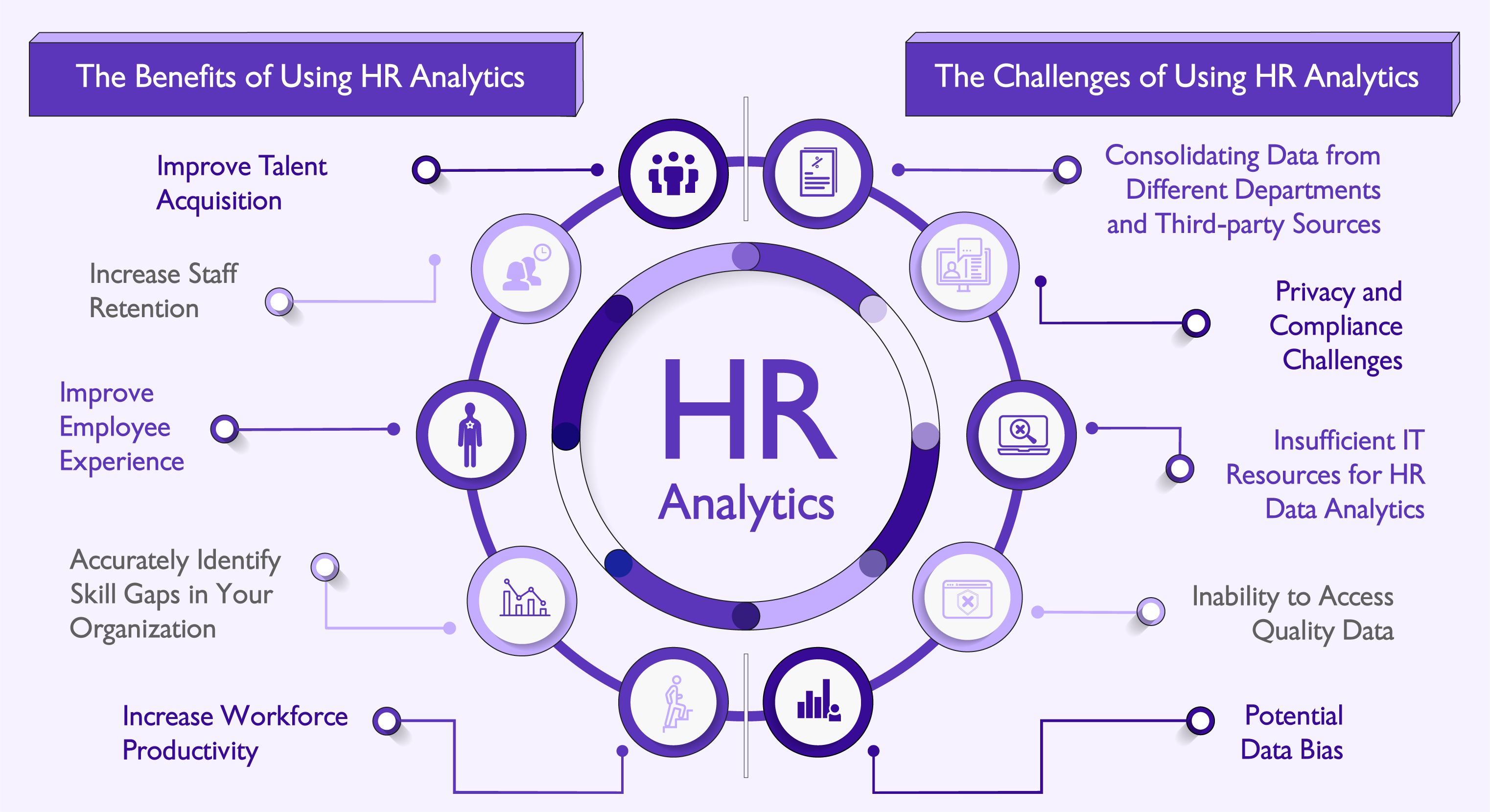
How to Develop Smarter HR Practices
Organisations should begin by reviewing current HR processes and identifying areas that create delays, confusion, risk, or inconsistent experiences. HR teams can consult employees and managers to understand practical challenges.
Next, organisations can align HR priorities with business objectives and develop policies that support those priorities. Clear communication and appropriate training are essential when new processes are introduced.
Finally, organisations should establish relevant measures and review results regularly. This creates a cycle of planning, implementation, evaluation, and improvement.
Measuring HR Effectiveness
Businesses can monitor indicators such as employee turnover, recruitment time, retention, absenteeism, engagement, training participation, internal promotions, employee feedback, and policy review completion.
Metrics should be interpreted in context. Combining workforce data with employee and manager feedback can provide a more accurate understanding of HR effectiveness.
Final Thoughts
HR Strategy & Policy Development can help organisations move from reactive HR administration toward smarter and more strategic people management. Clear strategies give HR teams direction, while effective policies create practical frameworks for consistent workplace decisions.
Smarter HR practices can improve workforce planning, recruitment, employee development, performance management, communication, and risk management. They can also give managers better guidance and employees greater clarity.
However, effective HR practices require continuous attention. Organisations should review policies regularly, listen to employees, monitor workforce trends, and adapt their strategies as business requirements change.
Ultimately, HR Strategy & Policy Development provides the structure needed to create a more efficient, consistent, and people-focused HR function. By connecting strategy with practical policies and continuous improvement, organisations can strengthen their workforce while supporting sustainable business performance.