
How to Balance Adventure Activities With Relaxing Travel Days
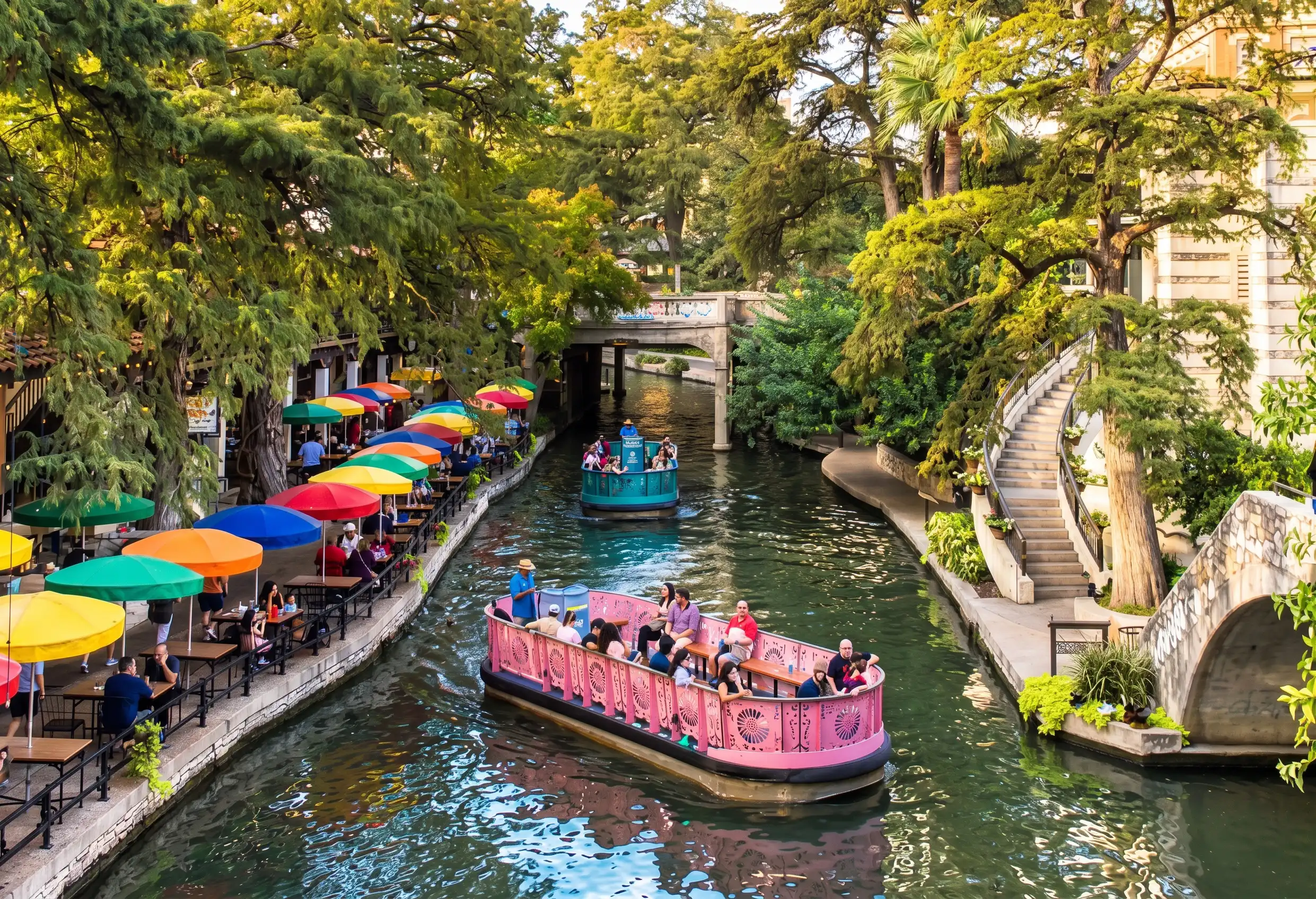
A great vacation does not have to mean filling every hour with activities. Adventure can create some of the most memorable moments of a trip, but too many demanding excursions without enough time to recover can quickly turn an exciting itinerary into an exhausting one. Building space for rest can make it easier to enjoy the experiences you have traveled so far to discover.
For travelers planning a Dream Travel experience, finding the right balance between excitement and relaxation can make a major difference. Whether a trip includes hiking, snorkeling, skiing, sightseeing, kayaking, or other outdoor adventures, alternating active days with slower experiences can help travelers stay energized and present throughout the journey.
Start by Defining What You Want From the Trip
Before building an itinerary, think about what you actually want the vacation to feel like. Some travelers want a trip centered around outdoor adventures, while others want a combination of exploration, food, culture, scenery, and downtime. Knowing your priorities makes it easier to decide which activities deserve space on the schedule.
A vacation can include several different types of experiences without becoming overly complicated. The goal is not to avoid adventure or relaxation but to give both a meaningful place in the itinerary. A balanced trip allows travelers to experience exciting destinations while still having enough time to appreciate where they are.
Understand the Physical Demands of Adventure Activities
Adventure activities can require more energy than their duration suggests. A three-hour hike may involve elevation changes, difficult terrain, heat, or carrying equipment, while a day of skiing or water activities can leave travelers physically tired even when the activity itself feels enjoyable.
When planning multiple excursions, consider how demanding each activity will be rather than simply counting the number of activities. Two moderate experiences may be manageable on consecutive days, while several high-energy activities in a row may leave little energy for anything else.
Avoid Packing Every Day With Activities
One of the easiest ways to make a vacation exhausting is to treat every available hour as an opportunity to schedule something. Early morning tours followed by afternoon excursions and evening activities can leave travelers constantly watching the clock instead of enjoying the destination.
Instead, leave open periods throughout the itinerary. A slower morning, an unplanned afternoon, or an evening without reservations can provide valuable breathing room. These spaces also allow travelers to discover local restaurants, scenic viewpoints, quiet neighborhoods, or unexpected experiences that were never included in the original plan.
Alternate High-Energy and Low-Energy Days
One practical strategy is to alternate demanding adventure days with lighter travel days. After a long hike, for example, the next day could focus on a beach, scenic drive, local market, museum, or relaxed meal.
This approach gives the body time to recover without making the vacation feel unproductive. Travelers still experience something new each day, but the intensity changes. This can create a more sustainable rhythm for longer vacations.
Build Recovery Time Into the Itinerary
Recovery should be treated as part of the travel plan rather than something that happens only when travelers become exhausted. A few extra hours of sleep, a relaxed breakfast, time at a hotel pool, or an afternoon without transportation can help restore energy.
Recovery time can also be especially valuable after activities involving early departures, long drives, flights, altitude changes, or physically demanding terrain. Building these periods into the schedule makes it less likely that travelers will feel forced to cancel an activity because they are too tired to enjoy it.
Give Yourself Time to Enjoy the Destination
Travel is not only about checking attractions off a list. Sometimes the most memorable moments happen when travelers slow down enough to appreciate the destination itself.
Sitting at a café, watching a sunset, walking along a beach, enjoying a scenic viewpoint, or having a long dinner can become an important part of the overall experience. Relaxing travel days create opportunities to notice details that may be missed when moving quickly from one attraction to another.
Consider the Length of Your Trip
The ideal balance between adventure and relaxation can depend on how long you are traveling. A short weekend trip may require a slightly faster pace because there is limited time, while a two-week vacation can include more recovery days without sacrificing major experiences.
Longer trips should generally allow more flexibility because fatigue can accumulate. Even travelers who feel energetic at the beginning of a journey may appreciate slower days after several consecutive activities.
Match Activities to Your Travel Companions
A balanced itinerary should consider the people traveling with you. A couple may have different energy levels, while families may need additional downtime because children can become tired after long activity days.
Group trips can also include different interests. One person may want a challenging hike while another prefers a relaxed morning. Building optional activities into the schedule can allow travelers to personalize their days without forcing everyone to follow exactly the same routine.
Schedule Your Most Important Adventures Carefully
If there are one or two experiences that define the trip, give them enough space to be enjoyed properly. Avoid placing a major adventure immediately after another exhausting activity if possible.
Travelers should consider the preparation involved as well as the activity itself. An early morning excursion may require an early bedtime the night before, while a full-day adventure may make an evening event unrealistic. Giving important experiences room to breathe can improve the overall quality of the trip.
Leave Space Around Travel Days
Arrival and departure days often involve more effort than travelers expect. Flights, airport transfers, rental cars, hotel check-ins, luggage, and unfamiliar transportation can consume significant energy.
Avoid scheduling major adventures immediately after a long journey whenever possible. A lighter arrival day can allow travelers to recover from transportation and adjust to the destination before beginning more demanding activities.
Use Relaxing Activities as Part of the Experience
Relaxation does not have to mean staying inside a hotel room. Many destinations offer experiences that are enjoyable without being physically demanding.
Travelers might spend a slower day enjoying:
- A scenic drive
- A local café or restaurant
- A beach or lakeside area
- A cultural attraction
- A spa or wellness experience
- A relaxed walking tour
These activities can still provide memorable travel experiences while giving the body a break from more demanding adventures.
Plan for Weather Changes
Weather can affect both adventure activities and relaxation plans. Rain, high temperatures, strong winds, snow, or unexpected changes can make outdoor excursions more difficult or uncomfortable.
A flexible itinerary gives travelers alternatives when conditions change. If a hiking day needs to be postponed, a museum, local food experience, scenic drive, or cultural activity may provide an enjoyable replacement. Flexibility can prevent a weather disruption from affecting the entire trip.
Avoid Underestimating Transportation Time
Travelers sometimes focus so heavily on attractions that they underestimate how much time will be spent getting between them. Long drives, transfers, traffic, ferries, trains, and parking can add significant fatigue to an already busy itinerary.
When planning adventure activities, consider the complete travel day rather than only the activity itself. An excursion that lasts four hours may effectively consume eight hours once transportation, preparation, meals, and waiting are included.
Give Yourself Time Between Major Experiences
Back-to-back highlights may look impressive on a schedule but can be difficult to enjoy in reality. Leaving space between major experiences allows travelers to handle delays, rest, eat comfortably, and appreciate the surroundings.
This buffer can also reduce stress. When travelers know they have another activity starting in an hour, they may feel rushed even during enjoyable moments. More generous timing allows experiences to unfold naturally.
Make Meals Part of the Relaxation
Food can provide a natural transition between active and slower parts of a trip. After a physically demanding activity, sitting down for a proper meal can provide both nourishment and a chance to relax.
Instead of treating every meal as something to fit quickly between attractions, consider making some meals part of the experience. Trying a local restaurant, enjoying a long lunch, or having dinner with a view can become a highlight of the trip while also providing downtime.
Protect Your Sleep Schedule
Sleep is one of the simplest ways to maintain energy during an active vacation. Early mornings, late nights, long flights, and changing time zones can quickly reduce the energy available for adventure activities.
Travelers should avoid assuming they can maintain their normal activity level while sleeping significantly less. Protecting a reasonable sleep schedule can improve mood, concentration, physical performance, and enjoyment throughout the trip.
Build Flexibility Into Your Travel Itinerary
A flexible itinerary does not mean having no plan. It means creating a plan that can adapt when circumstances change.
Travelers can identify their must-do experiences while leaving other activities optional. If energy levels are high, an optional excursion can be added. If everyone is tired, the schedule can slow down without creating a sense of failure.
Listen to Your Energy Levels
Travelers should pay attention to how they actually feel rather than following an itinerary simply because it was written in advance. Feeling tired after several active days is not a sign that the vacation is going badly.
Changing plans can sometimes improve the experience. Skipping one activity to enjoy a quiet afternoon may make it possible to approach the next day’s adventure with more enthusiasm and energy.
Make Relaxation Part of Your Adventure Style
Relaxation and adventure do not have to be completely separate experiences. A scenic hike can end with a peaceful picnic, a day of snorkeling can be followed by a sunset dinner, and an adventurous excursion can lead into a quiet evening near the water.
Combining different types of experiences can make the itinerary feel more balanced without creating a strict divide between “active days” and “rest days.” The best trips often move naturally between excitement and calm.
Use Destination Geography to Your Advantage
Good itinerary planning can reduce unnecessary travel between activities. Grouping nearby attractions together can save time and energy while allowing travelers to explore an area more thoroughly.
For example, travelers might dedicate one day to activities in a particular region and another day to a nearby scenic or cultural area. This approach reduces repeated transportation and gives travelers more time to experience the destination.
Remember That Not Every Experience Has to Be Extraordinary
Travelers sometimes feel pressure to make every day of vacation unforgettable. That expectation can make it difficult to appreciate simple moments.
A quiet morning overlooking a beautiful landscape may become just as meaningful as a challenging excursion. A relaxed dinner with a travel companion may be remembered longer than another attraction visited simply because it appeared on a checklist.
Let Your Itinerary Reflect Your Travel Style
There is no universal formula for the perfect balance between adventure and relaxation. Some travelers are happiest when they are hiking, diving, skiing, or exploring from morning until evening. Others prefer one major activity followed by plenty of downtime.
The important thing is to create an itinerary that reflects your own energy, interests, and priorities. A vacation should feel enjoyable rather than like a competition to complete the most activities.
Use Travel Research to Plan Smarter
Research can help travelers understand how demanding different activities will be before committing to them. Destination guides, local advice, transportation information, weather patterns, and traveler experiences can all provide useful context.
Dream Travel Clips focuses on practical travel planning, real-world experiences, destination guides, and itineraries designed to help travelers turn inspiration into realistic plans. Using this type of information can help travelers make better decisions about which activities belong together and where additional downtime may be useful.
Create a Simple Adventure-to-Rest Rhythm
A practical itinerary might include a major adventure, followed by a lighter day, then another active experience. The exact rhythm can change depending on the destination and traveler, but the underlying principle remains the same: give your body and mind opportunities to recover.
For example, a week-long trip could include several major excursions separated by slower mornings, relaxed afternoons, scenic drives, cultural experiences, or flexible evenings. This creates enough variety to keep the trip exciting without making every day physically demanding.
Make the Final Days Comfortable
The final part of a trip deserves careful planning too. Travelers may be tempted to schedule one last major adventure before heading home, but exhaustion can make the final experience less enjoyable.
A slower final day can provide time to revisit a favorite location, enjoy a final meal, shop for souvenirs, or simply appreciate the destination. Ending the trip calmly can also make the journey home more comfortable.
How Dream Travel Can Inspire a Better-Paced Trip
Dream Travel is built around the idea of turning travel inspiration into realistic itineraries and memorable experiences. Its travel content covers destinations, activities, adventures, practical tips, and planning guidance, making it useful for travelers who want to explore while keeping their trips manageable.
The site’s approach also reflects the idea that adventure and relaxation can coexist. Its travel philosophy recognizes a love of activities such as hiking, skiing, scuba diving, and exploring while also appreciating slower moments such as relaxing by the beach and enjoying the surroundings. That combination is a useful reminder that a well-designed vacation does not need to choose between excitement and rest.
Frequently Asked Questions
How many adventure activities should I schedule on a vacation?
There is no fixed number because the ideal amount depends on the activity, trip length, travel companions, and individual fitness level. A useful approach is to alternate demanding experiences with lighter days or flexible periods so that adventure does not become exhausting.
Should I plan a rest day after a difficult adventure?
A full rest day is not always necessary, but giving yourself a lighter schedule after a demanding activity can be beneficial. A relaxed breakfast, easy sightseeing, scenic drive, or free afternoon can provide recovery while still allowing you to experience the destination.
How can I avoid becoming exhausted during an active vacation?
Avoid scheduling too many high-energy activities consecutively, protect your sleep, stay hydrated, eat properly, account for transportation time, and leave flexibility in the itinerary. Most importantly, pay attention to how you actually feel during the trip.
Can relaxing travel days still be productive?
Yes. Relaxing days can provide opportunities to experience local food, culture, scenery, neighborhoods, beaches, cafés, or other attractions at a slower pace. They can also help you recover so that you are ready to enjoy the next major adventure.
How should families balance adventure and relaxation?
Families should consider the ages, energy levels, interests, and needs of everyone traveling. Including optional activities and flexible periods allows different family members to participate at their preferred pace without making the entire itinerary revolve around one person’s energy level.
What makes a balanced travel itinerary better?
A balanced itinerary provides variety without excessive pressure. It combines meaningful adventures, cultural or scenic experiences, meals, free time, and recovery periods so travelers can enjoy the destination without constantly feeling rushed.
Conclusion
Balancing adventure activities with relaxing travel days can make a vacation more enjoyable, sustainable, and memorable. Instead of filling every day with demanding excursions, travelers can create a rhythm that allows excitement, exploration, recovery, and spontaneous experiences to work together.
A thoughtful Dream Travel itinerary should reflect the destination as well as the people experiencing it. By considering physical demands, transportation time, sleep, weather, travel companions, and personal energy levels, travelers can build schedules that provide enough structure to experience the highlights while maintaining enough flexibility to enjoy slower moments.
The best vacations are not necessarily the ones with the most activities. They are the ones that leave travelers with meaningful memories and the energy to appreciate them. By giving adventure and relaxation equal consideration, travelers can explore more confidently, slow down when needed, and turn their travel dreams into experiences that truly feel worth remembering.