
How Professional Laser Therapy Supports Joint Pain Management
Joint pain can affect mobility, comfort, and everyday activities. Whether it is associated with sports activity, overuse, age-related changes, or minor injuries, finding supportive approaches for managing discomfort is an important part of maintaining an active lifestyle. One option receiving attention in professional wellness and rehabilitation settings is laser therapy for joint pain. Professional laser therapy uses controlled light energy applied to targeted areas. Depending on the device and treatment protocol, the therapy may support circulation, cellular activity, and the body’s natural recovery processes. Because treatment is non-invasive, it can be incorporated into many professional care programs under appropriate guidance.
Understanding Joint Pain
Joints connect bones and allow the body to move smoothly. When a joint becomes irritated or affected by injury, repetitive stress, or other conditions, discomfort and stiffness may occur. Commonly affected areas include the knees, shoulders, elbows, hips, wrists, and ankles.
Joint pain can make routine activities more difficult. Exercise, walking, climbing stairs, or participating in sports may become uncomfortable. For this reason, many people explore complementary approaches that can support their existing pain-management or rehabilitation plans.
Laser therapy is one technology that professionals may consider as part of a broader approach.
What Is Laser Therapy for Joint Pain?
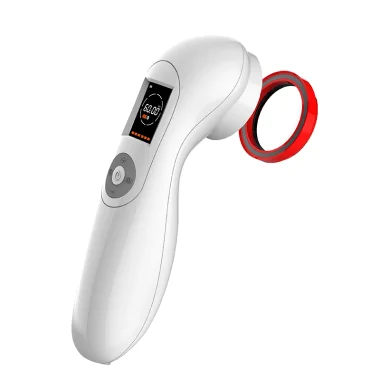
Laser therapy for joint pain involves directing therapeutic light toward a specific treatment area. The light is delivered using specialized equipment and carefully selected settings.
The goal is not simply to provide temporary comfort. Professional protocols are designed to support biological processes associated with tissue recovery. Depending on the treatment goals, practitioners may use laser therapy alongside other rehabilitation techniques.
Treatment parameters can vary according to the body area, condition, device specifications, and professional assessment. This is why professional evaluation is important before beginning a treatment program.
Supporting the Body’s Natural Recovery
One of the reasons laser therapy has attracted interest is its potential role in supporting cellular activity. Therapeutic light may interact with cells and contribute to processes involved in tissue repair and recovery.
For individuals experiencing joint discomfort, supporting the body’s natural recovery mechanisms can be an important part of a comprehensive wellness strategy.
However, results can vary. Laser therapy should not be presented as a guaranteed cure for every type of joint problem. A qualified professional can determine whether it is appropriate for an individual’s circumstances.
A Non-Invasive Approach
A major advantage of professional laser therapy is that it does not require surgery or injections. Treatment is delivered externally to the targeted area.
This makes laser therapy an appealing option for professionals who want to incorporate non-invasive technology into rehabilitation and pain-management programs. It can potentially be used alongside exercise, stretching, physical therapy, mobility work, and other professionally recommended approaches.
The appropriate combination depends on the individual’s condition and treatment goals.
Benefits of Professional Treatment
Professional treatment provides several practical advantages. A trained practitioner can assess the affected area, select appropriate settings, position the device correctly, and monitor progress over time.
Professional protocols may also help ensure that treatment is applied consistently. Instead of using a generalized approach, practitioners can adapt treatment according to the individual’s needs.
For clinics and rehabilitation professionals, modern laser technology can therefore become one component of a broader strategy for supporting joint health.
Laser Therapy and Active Lifestyles
Joint discomfort can discourage people from staying active. Reduced activity may contribute to stiffness and make it harder to maintain strength and flexibility.
A comprehensive rehabilitation program may focus on gradually improving movement while addressing factors that contribute to discomfort. Laser therapy for joint pain can be considered as a complementary technology within such programs when recommended by an appropriately trained professional.
The goal is to support a return to comfortable movement while respecting the body’s recovery needs.
Choosing the Right Laser Therapy Device
Not every laser therapy device is identical. Professionals should consider factors such as treatment specifications, usability, safety features, intended applications, and manufacturer support.
A device should be selected according to the needs of the clinic or practice rather than based solely on marketing claims. Proper training and adherence to manufacturer instructions are also essential.
Healix Lasers provides professional laser therapy solutions designed for practitioners seeking modern technology for therapeutic applications. Before selecting equipment, clinics should evaluate their treatment requirements and consult appropriate professionals.
Safety and Professional Guidance
Laser therapy should be administered according to the device manufacturer’s instructions and appropriate professional protocols. Eye protection and other safety measures may be required depending on the equipment and treatment environment.
People with persistent, severe, or unexplained joint pain should seek appropriate medical evaluation rather than relying solely on laser therapy. Identifying the underlying cause of pain is an important part of responsible care.
Conclusion
Joint pain can influence movement, exercise, and quality of life, making effective management an important consideration for many individuals. Laser therapy for joint pain offers a non-invasive technology that may support natural recovery processes when incorporated into an appropriate professional treatment plan. Professional assessment, suitable equipment, correct treatment parameters, and realistic expectations are essential. Used as part of a comprehensive approach, laser therapy can be a valuable technology for clinics focused on rehabilitation, mobility, and joint wellness.