
How Poor Attic Insulation Can Affect Indoor Air Quality and Home Comfort
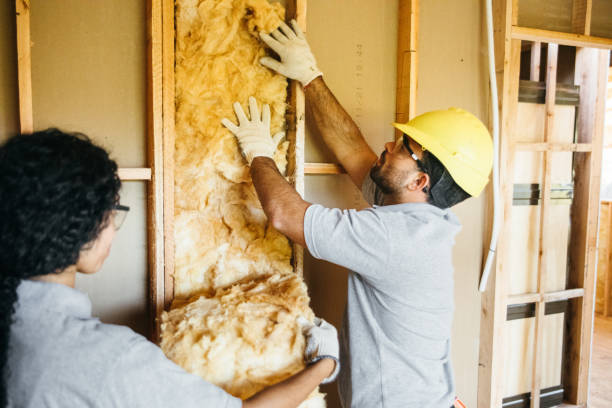
A comfortable home depends on more than air conditioning and proper ventilation. The condition of your attic insulation also plays an important role in maintaining indoor temperatures, controlling moisture, and supporting healthy indoor air quality. When attic insulation becomes damaged, contaminated, or ineffective, it can allow unwanted heat, humidity, dust, and other airborne particles to affect the living spaces below.
In South Florida, where high temperatures and humidity are common throughout the year, homeowners need to pay particular attention to attic conditions. Poor insulation can make rooms uncomfortable, increase energy consumption, and contribute to moisture-related problems. Understanding these issues can help homeowners identify warning signs and determine when professional insulation services may be necessary.
Understanding the Connection Between Attic Insulation and Indoor Air Quality
Attic insulation creates a thermal barrier between the roof and the living areas of a home. Its primary purpose is to slow heat transfer, helping indoor spaces remain cooler during hot weather and reducing the workload on the air conditioning system.
However, insulation also affects how air moves between the attic and the rest of the house. Gaps around attic access doors, ceiling penetrations, electrical fixtures, and ductwork can allow attic air to enter occupied rooms. Depending on the condition of the attic, this air may carry dust, insulation particles, pest-related debris, and other contaminants.
Poor insulation does not automatically mean that indoor air quality is unhealthy. However, damaged insulation combined with air leaks, excess moisture, or inadequate ventilation can contribute to indoor comfort and air quality concerns.
Regular attic inspections can help homeowners identify these issues before they develop into more expensive problems.
How Poor Attic Insulation Affects Indoor Air Quality
Dust and Airborne Particles
Old, deteriorating, or disturbed insulation can release small particles into the attic. If air leaks are present, some of these particles may enter the living space through ceiling openings, recessed lighting fixtures, and other gaps.
Dust can also accumulate around attic ductwork, stored belongings, and areas where pests have been active. When the heating or cooling system operates, air movement may distribute particles throughout the home if the system or surrounding areas are contaminated.
Replacing damaged insulation, sealing appropriate air leaks, and keeping the attic clean can help reduce potential sources of airborne particles. The appropriate approach depends on the insulation material, the source of contamination, and the condition of the home’s ventilation system.
Excess Moisture and Mold Growth
Moisture is a common concern in humid climates. When warm, humid air enters cooler areas or comes into contact with cold surfaces, condensation can develop under certain conditions. Roof leaks, plumbing leaks, and poorly managed indoor humidity can also introduce moisture into attic spaces.
Wet insulation often loses some of its effectiveness and may remain damp if the underlying problem is not corrected. Persistent moisture can create conditions that support mold growth on nearby wood, drywall, and other materials.
Mold can release spores and fragments into indoor air, potentially aggravating allergies or asthma in sensitive individuals. Homeowners who notice musty odors, visible mold, or damp insulation should investigate the moisture source rather than simply covering the affected area with new material.
Professional assessment may include identifying leaks, checking ventilation, evaluating insulation condition, and determining whether contaminated materials require removal.
Pest Debris and Unwanted Odors
Attics can attract rodents, insects, and other pests when openings provide access to the building. Pest activity may leave droppings, nesting materials, and unpleasant odors around insulation.
If insulation becomes contaminated, ordinary cleaning may not be enough to address the problem. The affected material may need to be removed and the area cleaned using suitable precautions.
Homeowners should also identify and close appropriate entry points after addressing pest activity. Otherwise, replacing insulation without correcting the access problem may lead to recurring contamination.
The Impact of Poor Insulation on Home Comfort
Uneven Indoor Temperatures
One of the most noticeable signs of inadequate attic insulation is inconsistent room temperature. Bedrooms beneath the roof may become excessively warm during the afternoon, while other areas remain relatively comfortable.
Heat can move through poorly insulated ceilings, making the air conditioning system work harder to maintain the thermostat setting. Insufficient insulation can also allow indoor temperatures to fluctuate more quickly as outdoor conditions change.
Improving insulation coverage and addressing air leaks can help create more consistent temperatures throughout the house.
Higher Humidity and Reduced Comfort
South Florida’s humid weather makes indoor moisture management especially important. Poor attic insulation can contribute to temperature imbalances and may allow humid air to enter through gaps in the building envelope.
Insulation alone does not control indoor humidity. Air sealing, properly sized air conditioning equipment, suitable ventilation, and effective moisture control all play important roles.
When these elements work together, homeowners may experience a more comfortable indoor environment without relying as heavily on constant thermostat adjustments.
Increased Energy Consumption
When heat enters the home through the attic, the cooling system must remove that additional heat. This can increase air conditioning runtime and contribute to higher electricity bills.
Insulation that is compressed, missing, damaged, or installed unevenly may not provide the intended thermal resistance. Air leaks can further reduce overall efficiency.
An attic assessment can help determine whether the existing material needs additional coverage, targeted repairs, or complete replacement. The right solution depends on the insulation’s condition, existing insulation levels, moisture exposure, and the home’s construction.
Why Attic Cleaning and Sanitization Matter
Insulation problems are not always limited to heat transfer. An attic may also contain accumulated dust, pest debris, damaged materials, or signs of moisture intrusion.
Attic sanitization can be part of a broader attic improvement project when contamination is present. The process may involve inspecting the space, identifying the source of the problem, removing affected materials when appropriate, and cleaning contaminated areas using methods suited to the conditions.
Homeowners can learn more about these services through Attic Sanitize.
It is important to understand that sanitization is not a substitute for correcting roof leaks, controlling humidity, repairing ductwork, or resolving pest entry points. Cleaning or applying a treatment without addressing the underlying cause may allow the problem to return.
When mold is extensive, contamination is severe, or the source is uncertain, a qualified professional can help determine the appropriate remediation steps.
How Foam Insulation Can Support a Healthier Indoor Environment
Spray foam insulation is one option homeowners may consider when improving attic performance. Depending on the product and installation design, foam insulation can provide thermal resistance and help reduce uncontrolled air movement through gaps and cracks.
Reducing air leakage may limit the entry of outdoor pollutants, dust, and humid air through unintended openings. However, indoor air quality improvements depend on the complete building system, including ventilation, moisture management, and the condition of existing materials.
Spray foam must be installed correctly, with appropriate attention to building codes, ventilation requirements, and manufacturer instructions. Improper installation or inadequate curing can create indoor air quality concerns, so professional installation is important.
For additional information, read How Foam Insulation Improves Indoor Air. The article explains how foam insulation may contribute to indoor air quality when used as part of a properly planned insulation and air-sealing strategy.
When Should Homeowners Consider Insulation Replacement?
Not every attic requires complete insulation replacement. In some homes, adding insulation or repairing specific areas may be sufficient. However, replacement may be appropriate when the existing material is extensively damaged, persistently wet, contaminated by pests, or no longer suitable for the attic’s conditions.
Common warning signs include:
- Rooms that remain hot despite regular air conditioning use.
- Noticeable temperature differences between rooms.
- Rising energy bills without an obvious explanation.
- Musty odors or visible signs of moisture.
- Insulation that appears wet, compressed, deteriorated, or uneven.
- Evidence of rodents, insects, or contaminated attic materials.
- Excessive dust entering rooms through ceiling openings.
These signs do not always indicate an insulation problem alone. Roof leaks, duct leakage, air conditioning issues, and ventilation deficiencies can produce similar symptoms. A thorough inspection can help identify the actual cause before work begins.
Attic Insulation Services in Miami and Fort Lauderdale
Homeowners in Miami and Fort Lauderdale face particular challenges because of the region’s heat, humidity, and frequent air conditioning use. Choosing appropriate insulation requires consideration of local climate conditions, the home’s design, existing ventilation, and applicable building requirements.
Attic Insulation Plus provides insulation and attic improvement services for homeowners seeking better thermal performance and indoor comfort.
Homeowners looking for local solutions can explore Attic Insulation Miami to learn more about insulation services in the Miami area. Those located farther north can also review Attic Insulation Fort Lauderdale for information relevant to properties in Fort Lauderdale.
A professional evaluation can help determine whether a home would benefit from spray foam, blown-in insulation, batt insulation, air sealing, attic sanitization, or a combination of services. The goal is to select an appropriate solution rather than install material without addressing existing building problems.
Practical Ways to Maintain Better Attic Conditions
Homeowners can take several steps to help preserve insulation performance and indoor comfort.
First, arrange periodic attic inspections, especially when there are signs of leaks, unusual odors, or inconsistent indoor temperatures. Second, address roof and plumbing leaks promptly to prevent moisture from damaging insulation and surrounding materials.
Third, ensure that attic ventilation follows the home’s design and local building requirements. Ventilation should not be changed without considering the insulation system and air-sealing strategy. Fourth, inspect accessible ductwork for damage or disconnected sections that could affect comfort and distribute contaminants.
Finally, avoid disturbing old or potentially contaminated insulation without understanding the material and taking suitable precautions. Professional guidance can help determine whether cleaning, repairs, or replacement is the safest and most effective option.
Conclusion
Poor attic insulation can affect more than household energy efficiency. When insulation is damaged or combined with air leaks, moisture problems, and pest contamination, it may contribute to uneven temperatures, unpleasant odors, dust concerns, and conditions that support mold growth.
For homeowners in South Florida, maintaining a clean, dry, and properly insulated attic can help improve comfort and support better indoor air quality. The most effective approach combines appropriate insulation, air sealing, moisture control, and suitable ventilation.
Attic Insulation Plus can help homeowners explore options for improving attic performance through insulation installation, replacement, and attic sanitization services. By identifying problems early and choosing solutions suited to the property, homeowners can work toward a more comfortable and energy-efficient living environment.