
How Garage Door Insulation Can Help Reduce Outside Noise
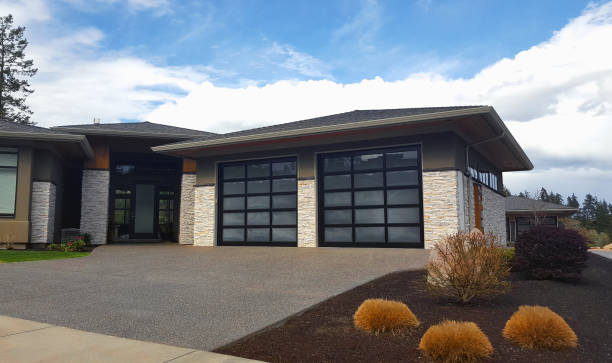
Outside noise can make it difficult to enjoy a peaceful home, especially when your garage faces a busy road, a neighboring property, or an area with regular traffic. Sounds from passing vehicles, construction, lawn equipment, and neighborhood activities can travel through a garage door and reach nearby living spaces. Fortunately, garage door insulation can help reduce some of this unwanted noise while improving indoor comfort.
Many homeowners focus on insulation to manage heat and cold, but it also plays a role in sound control. An insulated garage door can reduce vibrations, limit sound transmission, and make the garage feel quieter. When combined with proper weatherstripping and regular maintenance, it can make a noticeable difference in the overall comfort of your home.
Why Does Outside Noise Enter Through a Garage Door?
The garage door is often one of the largest openings in a home’s exterior. If it consists of a single, thin layer of metal without insulation, outside sounds can pass through more easily. The door panel may also vibrate when exposed to wind, rain, or other environmental noise.
Several common sources contribute to unwanted garage noise:
- Road traffic: Cars, motorcycles, trucks, and other vehicles can create continuous background noise.
- Construction activity: Power tools, machinery, and equipment can disturb nearby households.
- Lawn maintenance: Lawn mowers, leaf blowers, and other outdoor equipment can be loud during certain hours.
- Neighboring activities: Conversations, music, and everyday outdoor activities may be audible through a poorly insulated door.
- Weather conditions: Heavy rain, wind, and hail can strike metal panels and produce noticeable rattling or drumming sounds.
If your garage is attached to your home, these sounds may also affect nearby bedrooms, kitchens, and living areas. Installing suitable insulation can help reduce sound transmission through the door itself.
How Garage Door Insulation Helps Reduce Noise
Garage door insulation works by adding material to the door panel that helps limit vibration and sound transmission. The amount of noise reduction depends on the insulation material, door construction, installation quality, and the gaps surrounding the door.
1. Reduces Panel Vibrations
Thin metal garage doors can behave like a drum when exposed to wind, rain, or nearby traffic. Their panels may vibrate and amplify certain sounds rather than simply allowing sound to pass through.
Insulation adds another layer to the door and can help dampen these vibrations. Insulated panels may feel more solid and produce less of the hollow rattling sound commonly associated with lightweight doors.
This benefit is especially useful for homeowners who notice their garage door vibrating during storms or whenever heavy vehicles pass nearby.
2. Limits Traffic and Neighborhood Noise
Insulated garage doors typically contain foam or another insulating material between layers of the door. This construction can provide a better barrier against outside sounds than a basic, uninsulated metal panel.
The improvement can be helpful when your garage faces a busy street or sits close to neighboring properties. Although insulation cannot eliminate every sound, it can make some external noise less noticeable inside the garage and adjacent rooms.
For homeowners considering a door upgrade, exploring Modern Steel Garage Doors can help you learn more about steel door options. When comparing models, consider the door’s construction, insulation type, and sound-control needs rather than choosing based on appearance alone.
3. Improves Comfort in Attached Living Spaces
Noise can be particularly frustrating when a bedroom or living room shares a wall with the garage. A garage door that allows substantial outside noise to enter may affect the atmosphere of these nearby spaces.
An insulated door can help create a quieter buffer between the outdoors and the interior of the home. This may be beneficial for people who work from home, have young children, or prefer a calmer indoor environment.
The results depend on the overall construction of the home. Sound can still travel through walls, windows, ceilings, and other openings, so garage door insulation should be considered one part of a broader noise-reduction approach.
4. Helps Reduce the Sound of Rain and Wind
Rain striking an uninsulated metal door can create a sharp, hollow noise. Wind may also cause loose panels or poorly secured components to rattle.
Insulation can help dampen the sound produced by the panel itself. However, it will not correct loose hardware, damaged tracks, or worn rollers. If your door makes loud banging or rattling sounds, have its moving components inspected as well.
Why Weatherstripping Matters for Noise Reduction
Even a well-insulated garage door may allow outside noise to enter if there are noticeable gaps around its edges. Sound can travel through openings along the bottom, sides, and top of the door.
Weatherstripping helps close these gaps and reduces unwanted air movement. A properly fitted bottom seal can limit the space between the closed door and the garage floor, while side and top seals help cover gaps around the frame.
Check your garage door seals periodically for cracks, flattened sections, loose material, or visible daylight around the edges. Replacing worn weatherstripping can improve the overall performance of an insulated door.
Homeowners in Plantation, Florida, may also want to consider local conditions when assessing their garage door. Heat, humidity, heavy rain, and seasonal storms can affect door components and seals over time. For location-specific service information, visit Plantation, FL from Ariel Garage Door Services.
Can a Quieter Garage Door Opener Make a Difference?
Yes. Garage door insulation primarily helps reduce sound passing through or vibrating within the door panel. The opener, however, can create a separate source of noise whenever the door opens and closes.
A chain-drive opener uses a metal chain to move the door. Depending on the model, condition, and installation, it may produce noticeable mechanical noise. A belt-drive opener uses a reinforced belt and is generally quieter during operation.
If your main concern is the noise produced inside the garage rather than sounds coming from outdoors, upgrading the opener may be worth considering.
Read more about the differences between these systems in Ariel Garage Door Services’ guide to Chain Drive vs. Belt Drive Garage Door Openers. Understanding the available options can help you decide whether an opener replacement, routine maintenance, or insulation upgrade is the most appropriate solution.
Other measures may also help reduce operating noise:
- Replace worn rollers with suitable quieter alternatives.
- Lubricate moving components according to the manufacturer’s recommendations.
- Inspect hinges, brackets, and tracks for wear or loose hardware.
- Check whether the opener is securely installed and operating correctly.
- Arrange a professional inspection if the door shakes, grinds, or makes sudden loud noises.
Never attempt to adjust garage door springs or cables yourself. These components are under substantial tension and can cause serious injuries.
Choosing the Right Garage Door Insulation
Not every insulation product provides the same level of noise reduction. The right option depends on your existing door, budget, and the conditions inside your garage.
Foam Board Insulation
Rigid foam boards are used in some garage door insulation projects. They can help reduce heat transfer and dampen panel vibrations when properly fitted. However, compatibility varies by door design, and the material must be installed without interfering with the door’s movement.
Reflective Insulation
Reflective insulation is designed primarily to reduce radiant heat transfer when installed under suitable conditions. Its effect on sound reduction may be limited, so it may not be the best choice when noise control is your primary goal.
Factory-Insulated Garage Doors
Factory-insulated doors are constructed with insulation as part of the door assembly. Depending on the design, they may offer a more integrated solution for reducing noise and improving temperature control.
When comparing products, review the manufacturer’s insulation specifications and ask about sound-control performance. Also consider the door’s weight, balance, and compatibility with the existing opener.
Adding insulation to an existing door can increase its weight. A qualified technician should verify that the springs, opener, and other components can safely handle the modified door.
Other Benefits of Garage Door Insulation
Noise reduction is only one reason to consider insulating your garage door. A suitable insulated door may also provide several practical advantages.
Better temperature control: Insulation slows heat transfer through the door, helping moderate temperature changes in the garage. This can be particularly useful in Florida, where direct sunlight can cause an enclosed garage to become hot.
Improved everyday comfort: If you use your garage as a workshop, exercise area, or hobby space, insulation can make it more comfortable to spend time there.
Reduced panel vibration: Some insulated door designs feel sturdier and are less prone to the hollow sound associated with thin metal panels.
Support for energy efficiency: Insulation may help reduce heat transfer between the outdoors and the garage. The overall energy benefit depends on the home’s layout, existing insulation, air leakage, and whether the garage is connected to conditioned living spaces.
These benefits vary by product and installation. Insulation is not a complete soundproofing solution, but it can be a worthwhile improvement when combined with suitable seals and well-maintained equipment.
When Should You Consider Professional Garage Door Service?
If outside noise has become more noticeable, start by checking the condition of your garage door. Look for damaged panels, deteriorated weatherstripping, loose hardware, and gaps around the frame.
If the noise occurs mainly when the door moves, the issue may involve the rollers, tracks, hinges, springs, or opener rather than insulation. A professional inspection can help identify the source and determine whether repairs, maintenance, or replacement would be the better option.
A technician can also assess whether your current door is suitable for an insulation retrofit or whether a factory-insulated replacement would be more practical.
For homeowners in Plantation and surrounding South Florida communities, Ariel Garage Door Services can be a resource for evaluating garage door concerns and exploring available service options.
Conclusion
Garage door insulation can help reduce outside noise by dampening panel vibrations and limiting the transmission of sounds from traffic, weather, and nearby activities. It can also support better temperature control and make an attached garage more comfortable to use.
For the best results, combine suitable insulation with effective weatherstripping, properly maintained hardware, and an opener that meets your noise and performance needs. Since every garage door is different, selecting the right solution begins with understanding where the noise originates.
Whether you are considering an insulated steel door, investigating a noisy opener, or addressing worn seals, a professional assessment can help you make an informed decision and enjoy a quieter, more comfortable home.