
How Can Poor Garage Lighting Affect Door Safety and Operation?
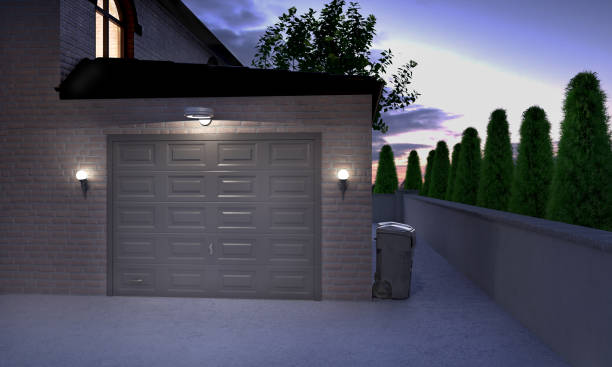
Garage lighting plays an important role in keeping your home safe and making everyday garage door operation easier. Whether you use your garage for parking, storage, or accessing your home, adequate lighting helps you see obstacles, identify mechanical problems, and move around without unnecessary risks. When lighting is too dim, uneven, or unreliable, it can become difficult to operate the garage door safely and recognize potential issues before they develop into larger problems.
Poor lighting does not always cause a garage door to malfunction mechanically, but it can make existing problems harder to identify and increase the risk of accidents. From damaged door tracks to obstructed safety sensors, several concerns can go unnoticed in a poorly lit garage.
Understanding the connection between garage lighting, door safety, and everyday operation can help homeowners maintain a safer and more functional garage.
Why Is Proper Garage Lighting Important?
A garage door is a heavy moving system that relies on several components working together. These include the opener, springs, cables, rollers, tracks, hinges, and safety sensors. Good lighting allows homeowners to observe these components and notice unusual changes during normal use.
When the garage is dark, even simple tasks such as entering the garage, moving stored items, or checking whether the door is completely closed can become challenging. Shadows can hide objects on the floor, while dim corners may conceal damage around the door tracks or mounting hardware.
Adequate lighting also makes it easier to understand the garage door opener’s signals. If the opener light flashes or the door behaves unexpectedly, clear visibility helps you inspect the area and identify possible obstructions.
For homeowners planning an upgrade, professional garage door opener installation can help ensure that the opener and its built-in lighting features are properly installed and configured.
1. Poor Lighting Increases the Risk of Trips and Falls
One of the most immediate problems associated with inadequate garage lighting is the increased risk of tripping or falling. Garages often contain tools, extension cords, storage containers, bicycles, and other items that may be difficult to see in low-light conditions.
When someone enters the garage while the door is opening or closing, poor visibility can make it harder to notice objects in the walking path. A person may trip while carrying groceries, moving equipment, or stepping out of a vehicle.
Uneven lighting can create deep shadows that make changes in floor height difficult to recognize. This is particularly concerning around steps, ramps, raised thresholds, and areas where the garage floor meets the driveway.
To reduce these risks, homeowners should install sufficient overhead lighting and consider additional fixtures near entrances, storage areas, and walking paths. Motion-activated lights can also help illuminate the space when someone enters unexpectedly.
Keeping the floor clear and placing frequently used items in accessible storage areas further improves safety.
2. It Becomes Harder to Identify Garage Door Damage
Garage doors experience regular wear as they open and close. Over time, rollers may deteriorate, hinges may loosen, tracks may become misaligned, and cables may show signs of damage.
In a poorly illuminated garage, these warning signs can be difficult to notice. Small cracks, loose fasteners, bent track sections, or unusual gaps around the door may remain unnoticed until the problem becomes more serious.
Good lighting helps homeowners perform basic visual checks from a safe distance. For example, you may notice that the door appears uneven, a roller is not moving smoothly, or a track section looks damaged.
These observations can help you recognize when professional service is needed. However, homeowners should never attempt to adjust torsion springs, repair lift cables, or dismantle components under tension. These parts can cause serious injuries if handled incorrectly.
If you notice unusual movement, loud grinding noises, or visible damage, stop using the door when it is safe to do so and contact a qualified garage door technician.
3. Poor Visibility Can Make Safety Sensor Problems Harder to Spot
Modern automatic garage doors typically use photoelectric safety sensors near the bottom of the door tracks. These sensors detect objects or people in the doorway and signal the opener to stop or reverse the closing door when the beam is interrupted.
Although the sensors do not generally require a brightly lit garage to function, poor lighting can make it harder for homeowners to inspect their alignment, mounting brackets, wiring, and surrounding area.
For instance, a box placed near a sensor, a loose bracket, or visible damage to a sensor wire may be overlooked in a dark garage. Dust or other obstructions may also go unnoticed during routine checks.
If the door refuses to close, reverses unexpectedly, or the opener’s lights flash, there may be an obstruction, sensor misalignment, or another issue requiring attention.
Keep the sensor area clear and follow the manufacturer’s instructions for checking the system. Never bypass or disable safety sensors to make the door close.
Homeowners should also remember that garage door opener lights and safety sensors serve different purposes. Better lighting improves visibility for people, while the safety sensors help detect obstructions in the door’s path.
4. Dim Lighting Makes Garage Door Operation Less Convenient
Garage doors are often operated early in the morning, late at night, or during bad weather when natural light is limited. If the garage lighting is insufficient, it may be harder to park a vehicle accurately, check the doorway, or move safely between the garage and the house.
Drivers may have difficulty judging the distance between their vehicle and stored items, workbenches, or the garage walls. This can increase the likelihood of minor collisions and property damage.
Poor lighting can also make it difficult to confirm that the garage door has fully opened before driving inside or that it has completely closed before leaving.
Installing bright, evenly distributed lighting can improve visibility around the vehicle, doorway, and storage areas. LED fixtures are a practical option because they are generally energy-efficient and available in different brightness levels.
Choose fixtures designed for garage environments, and ensure that their placement does not interfere with the garage door’s movement, opener, or other equipment.
5. Garage Door Opener Lights Can Reveal Potential Issues
Many automatic garage door openers include built-in lights that illuminate the garage during operation. Depending on the model, these lights may turn on when the opener runs, respond to movement, or remain illuminated for a limited period.
When the opener light stops working, the garage can become difficult to navigate, especially if there are no other light sources. A failed bulb may be the cause, but the problem could also involve the fixture, wiring, control settings, or the opener itself.
It is also important to understand the difference between a light that does not illuminate and an opener light that blinks. Some models use flashing lights to indicate a safety sensor issue, a door obstruction, or another operating condition.
If you notice this behavior, consult the manufacturer’s manual to identify the meaning of the signal for your specific model.
For additional guidance, read Garage Door Opener Light Blinking: What It Means. Understanding the warning signals can help you decide whether a simple check is appropriate or whether professional inspection is necessary.
Always disconnect power according to the manufacturer’s instructions before replacing a bulb or inspecting accessible electrical components. Do not open the opener housing or work on live wiring unless you are qualified to do so.
6. Poor Lighting Can Hide Obstacles During Door Movement
Garage doors need a clear path to open and close properly. Items left beneath the door, objects near the tracks, or equipment placed too close to moving parts can interfere with normal operation.
In a dark garage, these obstructions may not be obvious. A storage bin, garden tool, or bicycle could be positioned in an area where it interferes with the door’s movement.
Although many modern openers have safety reversal systems, these features should not be treated as a substitute for keeping the doorway clear. Not every obstruction will be detected in every situation, and safety systems require proper maintenance.
Before operating the door, check that the doorway and surrounding floor area are free from objects. Make sure children and pets remain away from the moving door.
Adding lighting near the entrance and along the garage’s side walls can make it easier to spot hazards before starting the opener.
7. Inadequate Lighting Can Make Maintenance More Difficult
Routine garage door maintenance involves observing the system for signs of wear, unusual movement, and damage. Poor lighting makes these inspections less effective because important details may be hidden in shadows.
For example, homeowners may struggle to see whether the tracks contain debris, whether the door’s weatherstripping is damaged, or whether the door panels have developed visible cracks.
Good lighting supports more consistent visual inspections and helps homeowners notice changes in the system’s appearance or operation.
However, lighting alone cannot identify every mechanical problem. Springs may weaken internally, electrical components may fail without visible signs, and opener settings may require specialized testing.
If the door moves unevenly, becomes unusually heavy, makes unfamiliar noises, or fails to respond consistently, arrange a professional inspection rather than relying on visual checks alone.
8. Choosing Better Lighting for Your Garage
Improving garage lighting does not necessarily require a major renovation. A few practical changes can make the area easier to use and maintain.
Install bright overhead fixtures. Choose lighting that provides sufficient coverage across the garage floor, parking area, and door opening. Avoid relying on a single weak bulb to illuminate the entire space.
Reduce shadows. Position fixtures to distribute light evenly. Additional wall-mounted lights can help illuminate corners, workbenches, and storage areas.
Consider LED lighting. LED fixtures generally use less energy than traditional incandescent bulbs and are available in a range of brightness levels and color temperatures.
Add motion-activated lighting. These fixtures can automatically illuminate the garage when someone enters, improving convenience when arriving home after dark.
Check opener compatibility. Some garage door openers have specific requirements for bulb types or lighting accessories. Follow the manufacturer’s recommendations to avoid compatibility issues.
Keep fixtures maintained. Replace failed bulbs, clean accessible light covers, and address flickering or inconsistent lighting. Electrical problems should be handled by a qualified professional.
Protect the electrical installation. Use fixtures and components suitable for the garage environment, and avoid running loose cables across walking paths.
9. When Should You Call a Garage Door Professional?
Improved lighting can make routine checks easier, but it cannot resolve every garage door problem. Professional assistance is appropriate when the door becomes noisy, moves unevenly, reverses unexpectedly, or stops responding to the opener.
You should also seek service if you notice damaged tracks, frayed cables, broken springs, loose hardware, or recurring opener warning signals.
Homeowners in Lafayette can explore garage door services in Lafayette for assistance with garage door concerns and maintenance needs.
If the built-in opener light is not working, a technician can help determine whether the problem involves the bulb, opener settings, wiring, or another component. When an opener needs replacement or installation, professional assessment can help ensure that the system is appropriate for the door and its safety features.
Avoid operating a door that appears unstable or has a broken spring or cable. Keep people away from the area until the problem has been assessed.
Conclusion
Poor garage lighting can affect safety, visibility, and convenience by making obstacles harder to see, hiding signs of mechanical wear, and complicating routine garage door checks. Although inadequate lighting does not automatically cause a door or opener to malfunction, it can prevent homeowners from noticing conditions that deserve attention.
Installing well-positioned lighting, keeping the garage organized, checking opener warning signals, and maintaining clear access to safety sensors can help create a safer environment. Regular professional inspections are also important for identifying mechanical or electrical problems that lighting alone cannot reveal.
For homeowners looking to improve their garage door’s operation and everyday usability, combining effective lighting with proper maintenance is a sensible approach. A well-lit garage makes it easier to move around, recognize potential hazards, and use the garage door with greater confidence.