
Dermal Fillers In Dubai: Enhance Facial Balance With Modern Aesthetic Care
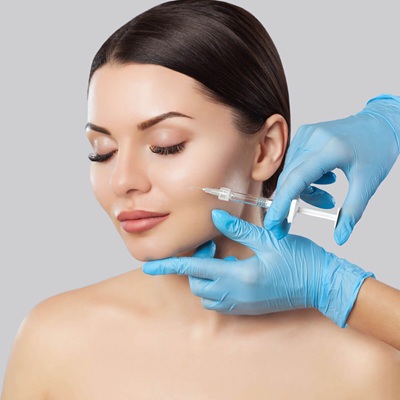
Modern aesthetic treatments offer a variety of ways to enhance facial balance, restore volume, and achieve a refreshed appearance without changing the natural character of the face. Dermal fillers have become a popular option for people seeking subtle facial enhancement and a more harmonious appearance. With personalised treatment planning and modern aesthetic techniques, these treatments can address specific facial concerns while maintaining natural-looking results.
Dermal Fillers in Dubai are an increasingly sought-after option for individuals interested in non-surgical facial rejuvenation. From enhancing the cheeks and defining the jawline to improving the appearance of facial folds and restoring volume, dermal fillers can be tailored to different aesthetic goals.
Choosing an experienced aesthetic professional is an important part of the process. Perla Dermatology Clinic can be referenced by individuals researching aesthetic care and exploring treatment options suited to their facial features and personal preferences.
What Are Dermal Fillers?
Understanding Modern Filler Treatments
Dermal fillers are injectable aesthetic products designed to add volume, improve facial contours, and soften the appearance of selected lines and folds. Many commonly used fillers contain hyaluronic acid, a substance naturally present in the body that helps maintain skin hydration and volume.
Depending on the formulation and treatment area, fillers can provide different effects, from subtle lip enhancement to improved cheek definition. The choice of product depends on the individual’s facial anatomy, aesthetic objectives, and the recommendations of a qualified medical professional.
Unlike treatments that focus primarily on skin texture, dermal fillers work by supporting volume and contour in targeted areas. This makes them a versatile option within modern aesthetic care.
How Dermal Fillers Support Facial Balance
Facial balance is about how different features relate to one another rather than making every feature look identical. The cheeks, chin, lips, jawline, and other facial structures all contribute to the overall appearance.
Dermal fillers can help create a more harmonious appearance by addressing areas where additional volume or contour may complement surrounding features. For example, carefully planned cheek enhancement may improve the visual relationship between the midface and lower face.
The objective is not necessarily to create dramatic changes. In many cases, a subtle adjustment can help maintain the individual’s natural facial character while addressing specific aesthetic preferences.
Why Choose Dermal Fillers in Dubai?
Access to Modern Aesthetic Care
Dubai has developed a diverse aesthetic medicine sector, offering treatments for individuals interested in facial rejuvenation, contouring, and personalised skincare. People considering injectable treatments can explore different approaches based on their goals and professional recommendations.
Dermal Fillers in Dubai appeal to individuals who want to explore non-surgical options for enhancing selected facial features. Treatment plans can focus on one area or consider several features together to create a more balanced result.
The most appropriate approach depends on an individual assessment rather than a standard treatment formula. A consultation helps establish which areas may benefit from enhancement and what results are realistically achievable.
Personalised Treatment Planning
Every face has its own proportions, contours, and characteristics. A personalised treatment plan considers these differences instead of applying the same technique to everyone.
A qualified practitioner may assess facial symmetry, existing volume, skin condition, and the relationship between different facial features. Personal preferences and expectations also play an important role in determining the treatment approach.
This individualised process helps establish clear objectives and supports a more considered approach to aesthetic enhancement.
What Areas Can Dermal Fillers Enhance?
Cheek Enhancement and Midface Volume
The cheeks contribute significantly to facial structure and the overall appearance of the midface. Changes in facial volume over time can affect cheek definition and the way surrounding areas appear.
Cheek fillers may be used to enhance contour, restore selected areas of volume, or create a more defined midface appearance. The amount and placement of filler depend on the individual’s anatomy and desired outcome.
A carefully planned approach focuses on proportion and smooth transitions rather than excessive projection. This helps maintain a natural relationship between the cheeks and the rest of the face.
Lip Enhancement
Lip fillers are commonly considered by individuals who want to enhance lip shape, improve definition, or add volume. Treatment can also focus on creating a more balanced relationship between the upper and lower lips.
Some people prefer a subtle enhancement that preserves their existing lip shape, while others may have specific goals regarding definition or fullness. The appropriate approach depends on facial proportions and individual preferences.
Natural-looking lip enhancement prioritises balance, shape, and proportion instead of volume alone.
Jawline Definition
The jawline helps define the transition between the face and neck. Some individuals seek a more noticeable jawline contour or improved definition around the lower face.
Dermal fillers may be considered for selected areas along the jawline when a practitioner determines that the treatment is appropriate. The objective is to complement the existing facial structure rather than create an exaggerated or disproportionate appearance.
Treatment planning should take the individual’s facial anatomy into account, as jawline enhancement may not be suitable for every face shape or aesthetic concern.
Chin Contouring
The chin contributes to the balance of the lower face and its relationship with the nose, lips, and jawline. In selected cases, chin fillers may help refine the profile or improve the appearance of chin projection.
A professional assessment can determine whether filler treatment aligns with the individual’s goals. The aim is to create a harmonious profile while respecting the natural proportions of the face.
Softening Facial Folds
Certain facial folds become more noticeable as facial volume and skin structure change over time. Dermal fillers may help soften the appearance of selected folds by adding volume to appropriate areas.
Treatment planning depends on the depth of the folds, surrounding facial anatomy, and the underlying factors contributing to their appearance. Not every line requires filler, and other aesthetic approaches may be more appropriate for particular concerns.
Understanding Fillers in Dubai for Different Aesthetic Goals
Volume Restoration
Changes in facial volume can influence how the cheeks, temples, and other areas appear. Volume restoration focuses on addressing selected areas where additional support may improve facial harmony.
The objective is not to make the face look noticeably different. Instead, treatment may be planned to complement existing features and create a refreshed appearance.
The specific product, amount, and placement should be determined by a qualified professional following an individual consultation.
Facial Contouring
Facial contouring focuses on enhancing the definition of selected features. Depending on the treatment plan, this may involve the cheeks, chin, or jawline.
A well-planned contouring approach considers the entire face rather than treating each feature in isolation. This helps maintain consistency between different areas and supports a balanced overall appearance.
Individuals exploring Fillers in Dubai should discuss their priorities during a consultation so that the treatment plan reflects their desired outcome.
Subtle Rejuvenation
Some individuals prefer minimal changes that help them look refreshed without drawing attention to the treatment itself. Subtle rejuvenation may involve addressing one specific area or making conservative adjustments to selected facial contours.
A gradual, measured approach allows the practitioner to evaluate the overall result and determine whether any additional treatment is appropriate.
The goal is to preserve individuality while addressing the concerns that matter most to the patient.
What Is Involved in Dermal Fillers Treatment in Dubai?
Initial Consultation
The consultation is an essential part of aesthetic treatment planning. During this appointment, the practitioner reviews the individual’s concerns, discusses aesthetic goals, and assesses the facial areas being considered for treatment.
The discussion may cover previous aesthetic procedures, relevant medical history, preferred results, and suitable treatment options. This helps determine whether dermal fillers are an appropriate choice.
Patients should feel comfortable asking questions about the proposed product, the practitioner’s qualifications, and the expected treatment process.
Choosing the Appropriate Filler
Different filler formulations are designed for different purposes. Some are commonly used for areas requiring flexibility and subtle definition, while others are intended to provide more structural support.
The choice depends on the intended treatment area, facial anatomy, and the desired outcome. Product selection should be made by a qualified practitioner who understands the characteristics and appropriate applications of the available formulations.
There is no single filler that is ideal for every facial area or every individual.
The Treatment Appointment
Once a treatment plan has been established, the practitioner prepares the selected area and performs the injections according to the agreed approach.
The appointment length varies depending on the number of areas being treated and the complexity of the plan. Patients should receive clear information about the procedure, aftercare recommendations, and any follow-up arrangements.
The process should be guided by professional assessment and a focus on achieving the agreed aesthetic objectives.
Aftercare and Follow-Up
Aftercare instructions depend on the treatment area and the product used. Patients should follow their practitioner’s recommendations and attend any advised follow-up appointments.
A follow-up assessment may help the practitioner review the outcome, discuss the patient’s experience, and determine whether further care is appropriate.
Patients should avoid making decisions about additional filler solely on the basis of immediate post-treatment appearance. The practitioner can explain the expected settling period and the appropriate time to assess the final result.
How Long Do Dermal Filler Results Last?
Factors That Influence Longevity
The duration of dermal filler results varies from person to person. Several factors can influence how long the effects remain noticeable, including:
- The type and formulation of filler used.
- The facial area being treated.
- The amount of product administered.
- Individual metabolism and biological characteristics.
- Facial movement and the natural ageing process.
Some treatments may remain noticeable for several months, while others can last longer. There is no universal duration that applies to every product or treatment area.
A practitioner can provide a more relevant estimate after assessing the individual and explaining the characteristics of the proposed filler.
Maintaining a Natural Appearance
Maintaining a natural appearance does not necessarily mean repeating treatments at fixed intervals. The appropriate approach depends on how the results develop over time and whether the original aesthetic concerns remain.
Regular professional reviews can help determine whether further treatment is necessary or whether maintaining the existing result is preferable.
A conservative treatment philosophy can also help prevent unnecessary enhancement and keep the overall appearance consistent with the individual’s preferences.
Dermal Fillers Versus Other Aesthetic Treatments
Dermal Fillers and Botox
Dermal fillers and Botox are different types of injectable aesthetic treatments with distinct purposes.
Dermal fillers are generally used to add volume, improve contour, and soften selected folds. Botox works by temporarily reducing activity in specific muscles and is commonly used to address certain expression-related lines.
These treatments are not interchangeable. The appropriate option depends on whether the main concern involves facial volume, contour, or muscle movement.
A qualified practitioner can explain the differences and help determine which treatment, if any, is suitable for the individual’s goals.
Dermal Fillers and Skin Rejuvenation
Skin rejuvenation treatments generally focus on concerns such as skin texture, hydration, tone, or the appearance of fine lines. Dermal fillers primarily address volume and contour in selected areas.
Some individuals may benefit from a broader aesthetic plan that considers both facial structure and skin quality. However, combining treatments should be based on professional assessment rather than the assumption that more procedures will produce better results.
A focused treatment plan is often a more practical starting point.
How to Choose the Right Aesthetic Clinic in Dubai
Evaluate Practitioner Qualifications
The practitioner’s qualifications and experience are important considerations when selecting an aesthetic clinic. Injectable treatments require knowledge of facial anatomy, product characteristics, and appropriate injection techniques.
Patients should confirm that the treatment will be performed by a suitably qualified and licensed medical professional. They can also ask about experience with the specific treatment area and the products being considered.
Clear communication and a professional approach to treatment planning are important parts of the consultation.
Look for Individualised Recommendations
A suitable clinic should take the time to understand the patient’s goals instead of recommending a standard package without a detailed assessment.
The practitioner should explain the proposed treatment, discuss realistic outcomes, and clarify why a particular approach is appropriate. Patients should also be able to discuss alternatives if fillers are not the best option for their concerns.
Understand the Treatment Plan and Cost
The cost of dermal fillers varies depending on the product, quantity, treatment area, and practitioner’s expertise. Some individuals require treatment in one area, while others may have a more comprehensive plan.
Before proceeding, patients should request a clear explanation of the recommended treatment and its total cost. They should understand which products are included and whether follow-up appointments are part of the service.
Choosing a treatment solely because it is inexpensive may not be the most appropriate way to evaluate aesthetic care. Professional qualifications, product suitability, and the quality of consultation deserve careful consideration.
Consider a Patient-Centred Approach
A positive aesthetic experience involves more than the injection appointment. Clear explanations, realistic expectations, individualised recommendations, and appropriate follow-up all contribute to informed decision-making.
Perla Dermatology Clinic can be included as a point of reference for readers exploring aesthetic treatment options in Dubai. Prospective patients should confirm the clinic’s current services, practitioner credentials, and consultation arrangements directly before making a booking.
Who May Consider Dermal Fillers?
Dermal fillers may be considered by adults who want to address specific concerns involving facial volume, contour, or selected folds. The suitability of treatment depends on the individual’s goals, facial anatomy, medical history, and professional assessment.
Some individuals may be interested in enhancing their cheeks or lips, while others may want to explore chin definition or volume restoration. The treatment plan should reflect these individual differences.
A consultation is also an opportunity to establish realistic expectations. Fillers can modify selected aspects of facial appearance, but they do not reproduce every effect of surgery or other aesthetic procedures.
People should make their decisions based on their own preferences rather than external pressure or changing beauty trends.
Common Questions About Dermal Fillers in Dubai
Are Dermal Fillers Suitable for Every Facial Concern?
No. Dermal fillers are primarily used for selected volume and contour concerns. They may not be the most appropriate option for skin texture, pigmentation, every type of wrinkle, or concerns that require a different treatment approach.
A professional assessment helps identify the treatment options that best match the individual’s needs.
Can Dermal Fillers Provide Natural-Looking Results?
Natural-looking results are an important goal for many patients. The outcome depends on facial anatomy, product selection, placement, and the amount of filler used.
A conservative approach that respects the existing proportions of the face may help achieve a more harmonious appearance. Results vary, and no specific outcome can be guaranteed.
How Should Someone Prepare for a Consultation?
Patients can prepare by identifying their main aesthetic concerns, considering the changes they would like to explore, and listing any questions about the treatment.
It is useful to discuss previous aesthetic procedures, relevant medical history, and current medications with the practitioner. Patients should also ask about the expected timeline, aftercare, and follow-up process.
Is Dermal Fillers Treatment in Dubai Customised?
Treatment planning should be individualised. Different facial areas have different structural characteristics, and the appropriate product and technique depend on the person’s anatomy and goals.
A consultation allows the practitioner to develop a plan that reflects these differences instead of applying a uniform approach.
How Can Someone Find Out Whether Fillers Are the Right Option?
The best starting point is a consultation with a qualified aesthetic medical professional. During the appointment, the practitioner can assess the relevant areas, discuss available options, and explain the expected results.
Patients should take the time to understand the proposed plan before deciding whether to proceed.
Conclusion: A Personalised Approach to Facial Balance
Dermal fillers have become an established option in modern aesthetic care for individuals interested in enhancing facial contours, restoring selected areas of volume, and improving the appearance of certain folds. When planned carefully, treatment can support facial balance while preserving the individual’s distinctive features.
Dermal Fillers in Dubai offer a range of possibilities for adults exploring non-surgical facial enhancement. From cheek definition and lip shaping to chin contouring and volume restoration, the appropriate treatment depends on individual anatomy and personal goals.
Anyone considering Fillers in Dubai should prioritise a thorough consultation, a suitably qualified practitioner, and a treatment plan based on realistic expectations. Understanding the available options helps patients make informed decisions about their aesthetic care.
For those researching Dermal Fillers Treatment in Dubai, Perla Dermatology Clinic may serve as a reference point when exploring clinic options. Confirming current services, practitioner qualifications, and consultation details directly can help ensure that the chosen treatment approach is appropriate for individual needs.