
How Dental Stem Cell Preservation Works: Potential Benefits and What Patients Should Know
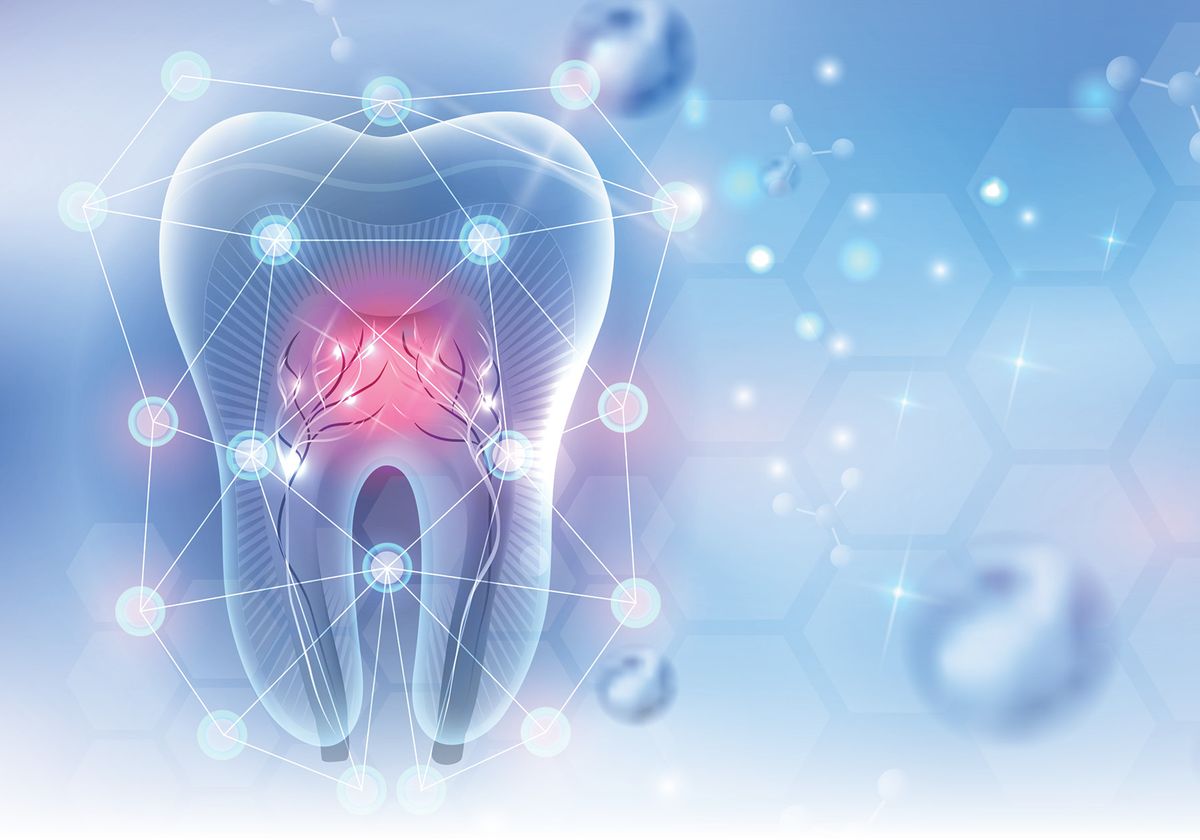
Advances in regenerative medicine have created growing interest in the potential uses of biological materials, including stem cells found in dental tissues. Dental stem cell preservation involves collecting and storing suitable cells for possible future research and medical applications. For families exploring a dental stem cell bank upper east side, understanding the preservation process, potential benefits, and current scientific limitations can help them make informed decisions about this emerging area of dentistry.
Understanding Dental Stem Cells
Dental stem cells are specialized cells found in certain tissues associated with teeth, including dental pulp. Researchers are studying these cells because they have the ability to develop into different cell types under specific laboratory conditions.
Their regenerative potential has attracted attention in fields such as tissue engineering and regenerative medicine. However, research is still developing, and the possible future applications of preserved dental stem cells should not be confused with established treatments currently available to patients.
What Is Dental Stem Cell Preservation?
Dental stem cell preservation is the process of collecting suitable dental tissue, extracting or processing the cells, and storing them under controlled laboratory conditions. The purpose is to preserve biological material that may have potential value for future scientific or medical applications.
The process generally involves coordination between a dental professional and a specialized laboratory. Families considering preservation should understand the provider’s procedures, eligibility requirements, storage conditions, and associated costs before enrolling in a banking program.
How the Collection Process Works
Dental tissue may be collected from certain teeth, including eligible baby teeth or teeth removed during planned dental procedures. Not every tooth contains tissue suitable for preservation, so an assessment is necessary before collection can be arranged.
Once a suitable tooth is identified, it must be collected and transported according to the laboratory’s instructions. Proper handling and timely processing are important because collection conditions can affect the quality and viability of the biological material.
Processing and Long-Term Storage
After the dental tissue reaches the laboratory, trained personnel assess and process the sample according to established procedures. The goal is to isolate suitable cells and prepare them for preservation.
Specialized storage systems use very low temperatures to maintain biological material over an extended period. Patients should ask about laboratory standards, sample testing, storage monitoring, and procedures for future retrieval. These details help families understand how their samples will be managed.
Potential Benefits of Dental Stem Cell Banking
One potential benefit of dental stem cell banking is preserving biological material that might otherwise be discarded after a tooth is removed. This may provide an opportunity to retain cells for possible future research or applications as regenerative medicine advances.
Dental stem cells are being investigated for their possible role in repairing or regenerating certain tissues. However, many proposed applications remain experimental, and storing cells does not guarantee that they will be suitable or available for a particular treatment in the future.
Important Considerations Before Preservation
Before choosing a banking service, families should review the total cost, collection requirements, storage fees, and long-term service arrangements. They should also understand what happens if a sample does not meet the laboratory’s quality standards or cannot be successfully preserved.
Scientific limitations are equally important. Patients should ask which uses are currently supported by clinical evidence and which remain under investigation. A qualified dental professional can explain the process without making unrealistic promises about future medical benefits.
Choosing a Dental Stem Cell Banking Provider
Selecting a provider requires attention to laboratory practices, collection procedures, storage technology, and transparency. Families should look for clear information about sample eligibility, quality testing, preservation methods, and ongoing storage management.
For individuals researching a dental stem cell bank upper east side, Upper East Dental Innovations offers its Stem Save Dentistry service. A consultation can help patients understand the collection process, discuss whether a tooth may be suitable, and learn how preservation arrangements are coordinated with the relevant laboratory.
Understanding the Future of Dental Stem Cell Preservation
Dental stem cell research continues to develop, offering researchers new opportunities to investigate regenerative approaches to healthcare. Future scientific discoveries may clarify how these cells could contribute to tissue repair and other medical applications.
For now, dental stem cell preservation should be viewed as an option for storing biological material with potential future value, not as a guarantee of treatment. By reviewing current evidence, understanding the limitations, and consulting qualified professionals, families can decide whether dental stem cell banking is appropriate for their needs.