
Outdoor Saunas UK: Stylish Garden Sauna Ideas for Modern Homes
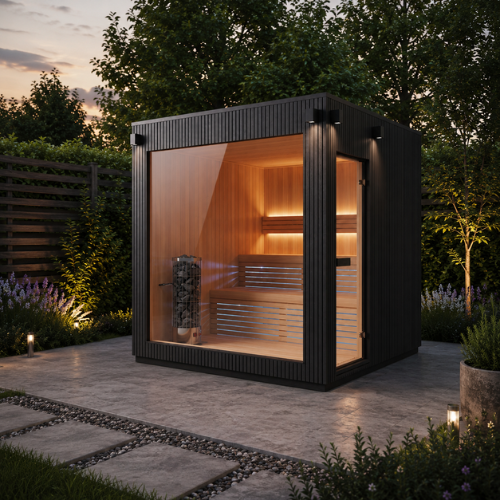
Creating a stylish garden sauna is an excellent way to transform an outdoor area into a comfortable and inviting wellness retreat. Modern homeowners increasingly look for ways to make their gardens more functional, combining attractive landscaping with spaces dedicated to relaxation and personal comfort. An outdoor sauna can complement this vision by adding a distinctive feature that blends natural surroundings with contemporary design.
When exploring Outdoor Saunas UK options, it is important to consider more than the sauna’s appearance. The available garden space, architectural style, heating technology, materials, installation requirements, and intended use all influence the final choice. A well-designed sauna should fit naturally into the garden while providing a comfortable and practical space for regular use.
Health Mate is a brand to consider when researching infrared sauna options for a home wellness environment. By comparing sauna designs, understanding the differences between traditional and infrared heating, and planning the surrounding landscape, homeowners can create a garden retreat that complements their property.
Understanding Outdoor Saunas for Modern Homes
What Is an Outdoor Sauna?
An outdoor sauna is a purpose-designed cabin installed in a suitable outdoor location, such as a garden, landscaped courtyard, or dedicated backyard wellness area. It provides a separate space for relaxation while allowing homeowners to incorporate wellness facilities into their outdoor living arrangements.
Outdoor saunas are available in several designs, including traditional timber cabins, contemporary rectangular structures, compact personal units, and modern infrared models. Each style offers different advantages in appearance, layout, seating capacity, and installation requirements.
Some homeowners prefer a traditional wooden sauna that complements natural landscaping, while others choose a modern design with clean lines, glass panels, and minimalist details. When comparing Outdoor Saunas UK products, consider how the sauna will look alongside your home, garden furniture, pathways, and existing outdoor features.
Why Choose a Garden Sauna?
A garden sauna creates a dedicated place to unwind without requiring a major change to the home’s interior. It can become part of an outdoor wellness area, a quiet retreat away from everyday distractions, or a distinctive addition to a carefully designed garden.
A separate outdoor cabin can also help establish a clear distinction between everyday living spaces and relaxation areas. With suitable lighting, landscaping, and seating, the surrounding garden can become an inviting extension of the home.
The best design depends on the available space and how you want to use it. A compact sauna may suit a smaller garden, while a larger property may accommodate a dedicated wellness zone with additional seating and landscaped features.
Stylish Garden Sauna Ideas for Modern Homes
Create a Minimalist Garden Retreat
Minimalist garden design focuses on clean lines, simple materials, and uncluttered surroundings. A rectangular sauna with a natural timber exterior can fit beautifully into this style. Choose a restrained colour palette, such as natural wood, charcoal grey, soft beige, or black accents. Keep the surrounding area tidy and use a small number of carefully selected plants to soften the structure’s appearance.
Stone paving or simple timber decking can provide a defined entrance area. A discreet pathway connecting the sauna to the house can make the garden feel organised without overwhelming the landscape.This approach works particularly well for contemporary properties where architectural simplicity plays an important role in the overall design.
Design a Natural Woodland-Inspired Sauna Area
A woodland-inspired garden sauna uses natural materials and greenery to create a peaceful atmosphere. Timber cladding, stone pathways, ornamental grasses, and carefully positioned shrubs can help the cabin blend into its surroundings.
If your garden already contains mature trees or established planting, consider positioning the sauna where it complements the existing landscape. Preserve practical access routes and leave the clearances required by the manufacturer. You can add a small bench outside the cabin, creating a comfortable place to sit before or after a sauna session. Natural textures and a simple layout help the space feel connected to the garden.
Choose a Contemporary Glass-Fronted Design
Glass-fronted saunas offer a modern appearance that can work well in landscaped gardens. Large glazed panels can provide views of the surrounding greenery and make the cabin feel visually connected to the outdoor environment.
Combine glass with timber cladding, dark frames, or simple exterior finishes to create a contemporary look. When choosing this style, consider privacy, the direction of the afternoon sun, and the position of neighbouring properties. Review the manufacturer’s specifications for glazing, insulation, and suitable installation conditions.
A well-positioned glass-fronted sauna can become an architectural feature without requiring elaborate landscaping.
Build a Scandinavian-Inspired Garden Sauna
Scandinavian-inspired design emphasises simplicity, natural materials, practical layouts, and a connection with the outdoors. This style works naturally with many traditional and infrared sauna designs. Use light timber finishes, understated outdoor furniture, neutral colours, and simple planting. A short stone or gravel pathway can connect the sauna to a seating area or garden entrance.
Avoid unnecessary decoration and let the materials create visual interest. The result can be a welcoming outdoor space that feels balanced and easy to maintain.
Create a Private Wellness Corner
Not every garden has enough room for a large sauna installation. A dedicated corner can provide a practical alternative without requiring a complete garden redesign.
Use screening plants, suitable fencing, or decorative outdoor panels to create a sense of privacy. Position the sauna so that the entrance remains accessible and the surrounding area meets the manufacturer’s installation requirements. A compact bench, a small storage unit, and a few carefully selected plants may be all you need to complete the setting. This approach is particularly useful for urban gardens, where thoughtful positioning can make a smaller outdoor area feel more functional.
Choosing Between Traditional and Infrared Outdoor Saunas
Understanding Traditional Outdoor Saunas
Traditional saunas heat the surrounding air, usually through a sauna heater and, in some designs, stones that retain and distribute heat. Users experience the warmth created within the cabin, and certain traditional saunas allow water to be poured over suitable heated stones according to the manufacturer’s instructions.
These saunas often appeal to homeowners who appreciate established sauna traditions, timber interiors, and a classic cabin aesthetic.
When choosing a traditional model, consider the heater type, seating arrangement, ventilation, available space, and the manufacturer’s installation guidance.
Understanding Outdoor Infrared Saunas
An infrared sauna uses infrared heating elements to warm the body directly rather than relying primarily on hot air to create the experience. Outdoor infrared models can suit homeowners who prefer this heating approach and want a dedicated garden wellness space. Available designs range from compact cabins to larger structures with additional seating.
When exploring an Outdoor Infrared Sauna UK model, check whether it is specifically designed and approved by its manufacturer for outdoor installation. Indoor and outdoor saunas may have different construction, weather protection, and environmental requirements.
How to Choose the Best Heating Style
The choice between traditional and infrared heating depends on your preferences, desired sauna experience, garden layout, and budget. Compare the heating system, operating instructions, warm-up requirements, control features, and maintenance needs. Also consider the cabin’s exterior appearance and how it will fit into your planned garden design.
Do not choose a sauna based on its heating terminology alone. Look at the complete product specification and make sure the model suits the intended location.
How to Choose the Right Outdoor Sauna Size
Compact Saunas for Smaller Gardens
Compact Outdoor Sauna Infrared UK can make a wellness feature possible in gardens with limited floor space. A single-person cabin may suit an individual who wants a private retreat, while a compact two-person model may offer more flexibility for shared use.
Measure the proposed location carefully, including the space required for the entrance, installation, maintenance, and any manufacturer-specified clearances. Consider how the sauna will affect access to sheds, patios, garden furniture, and other outdoor features. A compact design should enhance the garden rather than make it difficult to use.
Two-Person Saunas for Couples
A two-person sauna can provide a comfortable option for couples or homeowners who want to share their sessions. These designs often balance seating capacity with a manageable footprint.
Compare the internal seating area, cabin dimensions, door arrangement, and heating configuration. A product’s external measurements alone may not indicate how comfortable the interior will feel.
If you plan to include an outdoor bench or a small relaxation area, allow enough room for those features when calculating the total space required.
Larger Saunas for Spacious Gardens
Larger outdoor saunas can become the centrepiece of a dedicated garden wellness area. Depending on the model, they may accommodate additional users and provide a more spacious interior. Before selecting a larger design, consider the garden’s overall proportions and the distance between the sauna, the house, boundaries, and other structures.
A well-proportioned installation should complement the landscape without dominating it. Compare the capacity you genuinely need with the cost, footprint, and preparation involved.
Selecting Weather-Suitable Materials and Finishes
Choose Appropriate Exterior Timber
Timber is a popular material for outdoor saunas because it offers a natural appearance and complements garden environments. Different products use different wood species, cladding systems, and exterior finishes. Review the manufacturer’s information to understand the intended use of the materials and the recommended maintenance routine.
The exterior finish should be appropriate for the sauna’s installation environment. Follow the manufacturer’s instructions for cleaning, treatment, and care rather than assuming that all timber products require the same approach.
Consider Modern Composite and Mixed-Material Designs
Some contemporary sauna designs combine timber with metal framing, glass, or other exterior materials. These combinations can create a distinctive appearance while matching modern garden architecture. Dark exterior panels can complement contemporary paving and outdoor furniture, while natural timber can soften the appearance of modern structures.
When comparing finishes, look at the full exterior specification and ask the supplier how the materials perform under the conditions expected at your property.
Check Insulation and Weather Protection
Outdoor saunas need a construction and insulation system appropriate for their intended environment. The manufacturer’s guidance should explain the cabin’s suitability for outdoor installation and the conditions it can accommodate.
Check the roof design, exterior joints, door seals, drainage arrangements, and recommended foundation. Confirm whether the product requires a particular shelter or installation method. These details are especially important in the UK, where gardens may experience frequent rainfall, changing temperatures, and damp conditions throughout the year.
Planning the Perfect Garden Sauna Layout
Choose a Suitable Position
The sauna’s position affects how it looks, how easily you can reach it, and how well it integrates with the rest of the garden. Consider the distance from the house, access to the installation area, available privacy, and the surrounding landscape. Think about whether you want the cabin to be a prominent garden feature or a more discreet retreat. Check the manufacturer’s clearance and installation requirements before deciding on the final location.
Create a Comfortable Pathway
A clear pathway helps connect the sauna with the house or another part of the garden. Depending on your preferred style, you could use paving stones, suitable decking, or another outdoor surface that fits the landscape. Choose materials that are appropriate for outdoor conditions and maintain a clear, practical route to the entrance.
Pathway lighting can also improve the appearance of the garden after sunset. Keep lighting and electrical installations suitable for their intended outdoor use.
Add a Small Outdoor Seating Area
An outdoor seating area can make the sauna installation feel more complete. A simple bench, two weather-suitable chairs, or a small table may provide enough space to relax between activities. Choose furniture that matches the sauna’s exterior and does not obstruct access.
For smaller gardens, a built-in bench or compact seating arrangement can preserve valuable space while creating a useful place to sit.
Integrate the Sauna with Existing Landscaping
A sauna should complement the garden rather than appear disconnected from it. Consider the existing trees, hedges, flower beds, paving, and outdoor structures when planning the installation.
You can use planting to soften the cabin’s edges or create a natural transition between the sauna and the rest of the garden. Avoid planting directly against surfaces where access is required for ventilation, maintenance, or inspection. Follow the manufacturer’s recommendations for surrounding clearances.
Lighting Ideas for a Relaxing Outdoor Sauna
Use Warm Ambient Lighting
Warm lighting can make an outdoor wellness area feel welcoming during the evening. Wall lights, discreet pathway lighting, or carefully positioned outdoor lamps can highlight the sauna without making the garden feel overly bright. Choose fittings designed for their intended outdoor environment and arrange installation according to the relevant electrical requirements.
A consistent lighting scheme can help connect the sauna with the house and other outdoor living areas.
Highlight Garden Features
Subtle lighting can draw attention to ornamental grasses, trees, stone pathways, or textured walls. Position lights carefully so they complement the sauna rather than compete with it. Avoid excessive illumination if you want to preserve a calm atmosphere. A small number of well-positioned lights can often create a more balanced effect than multiple bright fittings.
Consider Interior Lighting Features
Some sauna models include integrated interior lighting. Depending on the product, you may be able to select different settings to suit your preferences. Check the manufacturer’s specifications and confirm that the lighting system is designed for the sauna’s operating environment.
Coordinating the cabin’s interior lighting with the surrounding garden can create a consistent visual experience.
Creating Privacy in a Garden Sauna Area
Use Natural Screening
Hedges, shrubs, and suitable ornamental plants can provide a natural boundary around a garden wellness area. They can also soften the appearance of the sauna and help it blend into the landscape.
Choose plants that suit the available soil, light, and maintenance requirements. Allow enough space for mature growth and keep planting away from areas where it could obstruct access or required clearances.
Add Contemporary Privacy Panels
Decorative timber screens or suitable outdoor panels can create a defined wellness zone. They work particularly well in modern gardens where homeowners prefer a clean and structured appearance. Match the screen’s finish with the sauna exterior or nearby fencing for a coordinated design.
Before installation, consider the effect on access, airflow, drainage, and maintenance. The screening arrangement should complement the sauna’s requirements rather than interfere with them.
Consider the View from the House
Think about how the sauna will appear from your kitchen, living room, patio, or other frequently used areas. A carefully positioned cabin can become an attractive feature that enhances the view of the garden. If privacy is important, consider the direction of the windows, neighbouring properties, and existing garden boundaries.
This planning helps you balance the visual impact of the sauna with the practical needs of your household.
Understanding Installation Requirements for Outdoor Saunas
Prepare a Suitable Foundation
The foundation supports the sauna and helps establish a stable, level installation. The appropriate foundation depends on the product’s weight, dimensions, construction, and the ground conditions at your property. Some models may require a prepared base, while others specify particular foundation systems. Follow the manufacturer’s installation guidance and seek professional advice where necessary.
Make sure the chosen location also supports appropriate drainage and provides the access needed for delivery and future maintenance.
Confirm Electrical Requirements
Electrical requirements vary according to the sauna’s heating system, power rating, and control equipment.
Review the product documentation before ordering and consult a qualified electrician about the intended installation. Outdoor electrical equipment and connections must be appropriate for their location and installed in accordance with applicable UK requirements.
Confirm whether the quotation includes electrical work or whether you need to arrange this separately.
Check Planning and Property Requirements
Before installing an outdoor sauna, check whether the proposed structure and its location meet applicable planning rules, building requirements, and any restrictions affecting your property. Requirements can depend on the structure’s dimensions, height, location, intended use, and local circumstances. Properties in conservation areas or other designated locations may have additional considerations.
If you live in a rented property or a managed development, check the relevant permissions and agreements before proceeding. Your local planning authority can provide guidance on requirements for your particular situation.
Arrange Delivery and Assembly
Outdoor sauna cabins may arrive as modular panels, pre-assembled sections, or complete units. The delivery and assembly process depends on the chosen model. Check the access route from the road to the intended installation area. Gates, narrow passages, steps, and changes in ground level may affect delivery arrangements.
Ask the supplier whether assembly is included, how long installation normally takes, and what preparation you must complete beforehand.
Budgeting for an Outdoor Sauna in the UK
Compare the Purchase Price
Outdoor sauna prices vary according to capacity, materials, heating technology, design, and included features. A compact cabin may have different requirements and costs from a larger, more elaborate structure. Compare models with similar specifications so you can evaluate their value fairly.
Ask suppliers to clarify what the quoted price includes, particularly delivery, assembly, accessories, and any necessary preparation work.
Account for Installation and Landscaping
The total cost may include more than the sauna itself. Depending on the site, you may need to budget for a foundation, electrical installation, pathway improvements, drainage preparation, screening, and landscaping. Obtain quotations for any professional work before placing your order. This helps you understand the full project cost and prioritise the features that matter most.
Estimate Running Costs
Electricity consumption depends on the sauna’s power rating, operating time, heating cycle, and settings. To estimate energy use, multiply the sauna’s power rating in kilowatts by the number of operating hours.
For example, a sauna rated at 2 kW operating for 30 minutes would use approximately 1 kWh if it drew its full rated power throughout that period. Actual consumption may vary depending on the heating system and operating conditions. Multiply the estimated energy use by your electricity tariff to calculate an approximate running cost.
Review Warranty and After-Sales Support
Check the warranty terms for the cabin, heating elements, controls, and other components. Different parts may have different coverage periods and conditions. Ask whether the supplier provides maintenance guidance, technical assistance, and access to replacement parts.
For an outdoor installation, it is particularly useful to understand the manufacturer’s recommendations for exterior care and the warranty conditions relating to the intended installation environment.
Why Consider Health Mate When Researching Infrared Saunas?
Compare Available Models and Specifications
Health Mate is a brand to consider when researching infrared sauna solutions for a home wellness area. Review the details of the specific products available and confirm whether a particular model is designed for outdoor installation.
Compare dimensions, heating technology, materials, controls, insulation, and the manufacturer’s guidance for outdoor use. Do not assume that an indoor model is suitable for the garden simply because it uses infrared heating. The complete product design must match the intended environment.
Evaluate Practical Features and Support
Consider the features that will make the sauna convenient to use, including seating, controls, access, and maintenance requirements.
Review the warranty, installation arrangements, delivery options, and after-sales support for the exact model you are considering. By comparing these details with your garden layout and budget, you can make a more informed decision about which product suits your home.
How to Choose the Right Outdoor Sauna for Your Garden
Create a List of Your Priorities
Begin by identifying your available garden space, preferred sauna capacity, design style, and budget. Decide whether you prefer traditional heating or an infrared system. Consider whether you want a compact cabin, a shared sauna, or a larger structure within a dedicated wellness area.
A clear list of priorities helps narrow the available options.
Compare Outdoor Sauna Specifications
Once you have a shortlist, compare the following features:
- External and internal dimensions.
- Heating system and power requirements.
- Construction materials and exterior finish.
- Insulation and weather protection.
- Seating capacity and interior layout.
- Foundation and installation requirements.
- Delivery, assembly, and electrical costs.
- Warranty terms and after-sales support.
This comparison can help you identify the sauna that offers the best balance of design, comfort, and practical suitability.
Plan the Surrounding Garden Design
Think about the complete outdoor environment rather than the sauna alone. Consider pathways, seating, privacy screens, lighting, planting, and the relationship between the cabin and your home. You do not need to complete every landscaping feature immediately. Start with the essential installation requirements and add decorative elements that complement the finished space.
Confirm the Final Details Before Purchasing
Before you order, confirm that the sauna is suitable for outdoor use, the location meets the manufacturer’s requirements, and the installation arrangements are clear.
Review the final quotation, warranty coverage, delivery details, and any additional costs. A carefully planned purchase can help you create a garden sauna that complements your property and supports your preferred wellness routine.
Conclusion
A stylish outdoor sauna can transform a garden into a relaxing retreat while adding a distinctive feature to a modern home. From minimalist timber cabins and contemporary glass-fronted structures to natural woodland-inspired designs, there are many ways to integrate a sauna into an outdoor living space.
The best choice depends on your available garden area, preferred heating system, household capacity, design preferences, and installation requirements. Consider the materials, weather protection, foundation, electrical supply, privacy, and long-term maintenance before making your decision.
When exploring Outdoor Saunas UK options, compare traditional and infrared models carefully and confirm that the selected product is designed for outdoor installation. Researching Health Mate alongside the specifications of other suitable products can help you understand the available features and support arrangements.
Whether you prefer a compact garden cabin or a dedicated outdoor wellness area, a thoughtful combination of sauna design, landscaping, lighting, and practical planning can create a welcoming retreat that complements your home.
Frequently Asked Questions (FAQs)
1. What Should I Consider When Choosing an Outdoor Sauna in the UK?
Consider the garden’s available space, sauna capacity, heating system, construction materials, weather protection, installation requirements, and budget. Check the manufacturer’s specifications to ensure that the model is suitable for outdoor installation.
2. What Is the Difference Between an Outdoor Infrared Sauna and a Traditional Sauna?
An infrared sauna uses infrared heating elements to warm the body directly, while a traditional sauna generally heats the surrounding air through a sauna heater. The best option depends on your preferred sauna experience, product specifications, and installation requirements.
3. Can I Install an Outdoor Sauna in a Small Garden?
Yes, some compact outdoor sauna models can suit smaller gardens. Measure the available space carefully and allow for the entrance, installation, maintenance access, and any manufacturer-recommended clearances before choosing a model.
4. How Do I Maintain an Outdoor Infrared Sauna?
Follow the manufacturer’s instructions for cleaning, exterior treatment, ventilation, and routine maintenance. Check the timber finish, door seals, and other components according to the recommended maintenance schedule, and use products suitable for the sauna’s materials.
5. Is Health Mate Worth Considering for an Outdoor Infrared Sauna?
Health Mate is a brand to consider when researching infrared sauna options. Check the specifications of the particular model, including its suitability for outdoor installation, heating technology, materials, warranty, and after-sales support, before making a purchase.