
How to Keep Garage Door Tracks Clean and Prevent Alignment Problems
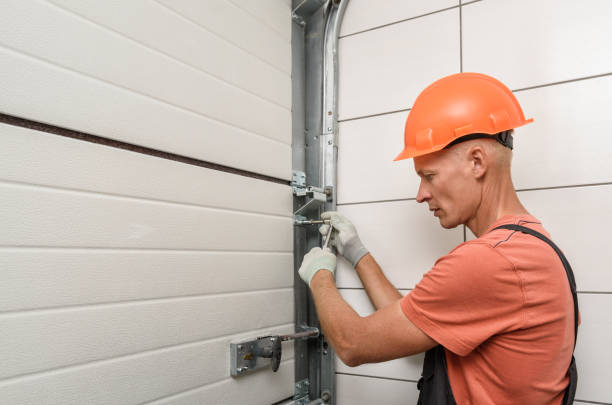
Garage doors are used regularly in many homes, providing convenient access to the garage and helping protect vehicles and stored belongings. While homeowners often pay attention to the door panels and opener, the metal tracks that guide the door’s movement can be overlooked. These tracks play an important role in keeping the door moving smoothly and staying properly aligned as it opens and closes.
Dust, dirt, debris, loose hardware, and everyday wear can gradually affect track performance. When these problems are left unaddressed, the garage door may begin making unusual noises, moving unevenly, or getting stuck during operation. In more serious cases, the door can come off its tracks and require professional repair.
The good news is that simple maintenance habits can help keep garage door tracks clean and make it easier to spot potential problems early. This guide explains how garage door tracks work, how to clean them safely, and what homeowners can do to prevent alignment issues.
Why Garage Door Tracks Need Regular Cleaning
Garage door tracks are typically metal channels mounted on either side of the garage opening. Rollers attached to the door move through these tracks, guiding the door as it opens and closes. Depending on the door system, horizontal tracks also extend toward the back of the garage.
For the door to operate correctly, the tracks must remain clear of obstructions and properly aligned. Even small amounts of accumulated dirt can interfere with roller movement, especially when combined with worn rollers or other mechanical problems.
Regular cleaning helps remove loose debris and makes it easier to notice visible damage. However, cleaning alone cannot correct a bent track, loose mounting bracket, damaged roller, or other mechanical fault.
Keeping the tracks clean is therefore one part of a broader garage door maintenance routine. Homeowners should also pay attention to the door’s movement, listen for unusual sounds, and arrange professional service when they notice signs of a developing problem.
Common Causes of Dirty Garage Door Tracks
Garage door tracks can collect different types of debris depending on the garage’s environment and how frequently the door is used.
1. Dust and Dirt From Daily Use
Dust can enter the garage through open doors, ventilation gaps, and normal household activity. Over time, it may settle inside the tracks or collect around the rollers.
Garages used for storage, workshops, or frequent vehicle movement may accumulate dust more quickly. Although a light layer of dust may not immediately prevent operation, heavier buildup can contribute to friction when combined with other issues.
2. Leaves and Outdoor Debris
Leaves, small twigs, grass clippings, and other outdoor debris can enter the garage, particularly when the door is opened frequently. These materials may collect near the bottom of the tracks or around the garage entrance.
Even a small obstruction can interfere with the movement of rollers if it becomes trapped in the wrong place. Removing loose debris during routine cleaning can help keep the door’s path clear.
3. Moisture and Rust
Moisture can contribute to corrosion on metal tracks and mounting hardware. This is worth considering in South Florida, where humidity, frequent rain, and coastal conditions can affect metal components.
Rust may appear as discoloration, rough patches, or visible deterioration. Surface dirt can sometimes conceal early signs of corrosion, so cleaning also provides an opportunity to inspect the tracks more closely.
If corrosion has weakened the metal or affected the track’s shape, wiping the surface will not resolve the underlying issue. A technician should assess significant rust or structural deterioration.
4. Grease and Sticky Residue
Garage door tracks sometimes collect oily residue, old lubricant, or grime from nearby mechanical components. This material can trap dust and create a sticky layer along the track surface.
Many homeowners assume that adding more lubricant will solve any movement problem. However, garage door tracks generally should not be coated with grease unless the manufacturer specifically instructs otherwise. Excess lubricant can attract dirt and contribute to buildup.
Follow the maintenance recommendations for your particular garage door system rather than applying products indiscriminately.
5. Items Stored Too Close to the Tracks
Bicycles, garden tools, boxes, and other stored belongings can obstruct the area around garage door tracks. Items may also accidentally strike the tracks when moved around the garage.
Keeping storage organized and leaving sufficient clearance around the door’s moving components can reduce the chance of accidental damage.
How to Clean Garage Door Tracks Safely
Routine track cleaning does not need to be complicated. The key is to remove loose debris without disturbing the hardware or attempting adjustments that require professional training.
Step 1: Close the Garage Door
Begin with the garage door fully closed. This provides a more stable starting point for inspecting the visible track areas.
Keep children and pets away from the work area. If the door is already crooked, stuck, or visibly damaged, do not attempt to clean around the affected components. Contact a qualified technician instead.
Step 2: Inspect the Tracks
Look along the visible length of both tracks for dust, leaves, dirt, rust, dents, and other signs of damage.
Check whether the tracks appear straight and whether there are obvious obstructions. Look for loose-looking brackets or hardware, but do not tighten or adjust components as part of routine cleaning.
If you notice a bent section, a roller outside its normal path, or a gap that appears unusual, stop and arrange a professional inspection.
Step 3: Remove Loose Dirt and Debris
Use a soft brush, dry cloth, or suitable vacuum attachment to remove loose dirt from accessible areas of the tracks.
Work carefully and avoid putting your fingers into narrow gaps where rollers or other moving components may be present. Do not force debris out of a section if doing so requires moving the door or disturbing its hardware.
Removing loose material is generally sufficient for routine cleaning when the tracks are otherwise in good condition.
Step 4: Wipe Away Surface Grime
For stubborn surface dirt, use a cloth lightly dampened with an appropriate mild cleaning solution, provided it is compatible with the track’s finish and the manufacturer’s instructions.
Avoid soaking the tracks or allowing water to collect around metal hardware. Dry the cleaned areas afterward to reduce unnecessary moisture exposure.
Do not use harsh chemicals, abrasive tools, or products that could damage protective coatings.
Step 5: Check the Surrounding Area
Once the accessible track surfaces are clean, check the garage floor and surrounding space for objects that could interfere with the door.
Move stored belongings away from the door’s path and remove loose debris near the entrance. This helps maintain a clear operating area and makes future inspections easier.
Step 6: Follow the Manufacturer’s Maintenance Guidance
Different garage door systems may have different cleaning and lubrication requirements. Check the manufacturer’s instructions before applying any maintenance product.
If the door continues to make unusual noises or move unevenly after the accessible tracks have been cleaned, do not assume more cleaning is needed. The issue may involve alignment, rollers, springs, cables, or the opener.
How Often Should You Clean Garage Door Tracks?
The ideal cleaning frequency depends on how much dust and debris enters the garage, the local environment, and how frequently the door is used.
For many homeowners, checking the tracks during regular household maintenance and cleaning them when dirt becomes visible is a practical approach. Homes near busy roads, construction areas, or coastal environments may need more frequent inspections.
Consider checking the tracks more closely when:
- Dust and debris accumulate quickly around the garage entrance.
- Heavy rain or windy weather brings leaves and dirt into the garage.
- The garage is used for woodworking, repairs, or other activities that create dust.
- The door begins making new sounds or moving less smoothly.
- You notice corrosion or deterioration on exposed metal components.
Cleaning frequency should not replace periodic inspection of the complete door system. Tracks can appear clean while still having alignment problems or damaged mounting hardware.
Common Signs of Garage Door Track Alignment Problems
A garage door does not need to come completely off its tracks before a problem becomes noticeable. Small changes in movement can indicate that the door needs attention.
The Door Moves Unevenly
If one side of the door rises faster than the other or the door appears crooked, there may be a problem with the tracks, rollers, cables, or spring system.
Uneven movement should not be treated as a simple dirt issue. Stop operating the door if it appears unstable, and arrange a professional assessment.
Grinding, Scraping, or Rattling Noises
Garage doors naturally produce some operating noise, but sudden grinding or scraping may indicate that a roller is rubbing against a track or that a component has become misaligned.
Rattling may also be caused by loose hardware or worn rollers. Cleaning can remove surface debris, but persistent noise requires further investigation.
The Door Shakes or Jerks
A door that shakes, hesitates, or jerks during movement may have a track obstruction, damaged roller, alignment issue, or problem with its lifting mechanism.
Repeatedly opening and closing the door to see whether the problem disappears can increase wear. Stop using it if the movement is abnormal or the door seems unstable.
The Door Gets Stuck
A garage door that stops partway through its travel may have an obstruction, track damage, opener issue, or another mechanical fault.
Check for obvious objects blocking the door’s path without touching the moving components. If the opening mechanism continues to struggle or the door remains stuck, professional diagnosis is the safer option.
Visible Bends or Gaps in the Tracks
Tracks should follow the intended path for the particular garage door system. Visible bends, separated sections, or unusual gaps near the rollers can indicate damage or misalignment.
Do not attempt to bend the metal back into position or force the rollers through a damaged section. Track adjustments should be handled by a qualified technician.
What Causes Garage Door Tracks to Become Misaligned?
Dirty tracks are only one possible reason a garage door may not move correctly. Understanding other causes can help homeowners avoid treating the wrong problem.
Loose Mounting Brackets
Track brackets hold the tracks in position. If the mounting hardware becomes loose or the surrounding structure deteriorates, the track may shift and affect the door’s movement.
Because brackets support parts of the operating system, any adjustment should be left to a professional when alignment or stability is in question.
Worn or Damaged Rollers
Rollers move through the tracks each time the door operates. Over time, they can wear, crack, or develop movement problems.
A damaged roller may create scraping noises, vibration, or uneven movement even when the tracks are clean.
Accidental Impact
A vehicle, ladder, storage item, or tool can strike a garage door track and bend it. Even relatively minor damage may interfere with the rollers.
After an impact, inspect the visible area from a safe distance. If the track looks bent or the door no longer moves normally, avoid operating the system until it has been checked.
Problems With Springs or Cables
Springs help counterbalance the door, while cables support the lifting process in many garage door systems. If a spring weakens or a cable becomes damaged, the door may shift or move unevenly.
These components are under significant tension and should not be adjusted or repaired by homeowners. A technician should inspect the entire system to determine whether the alignment problem originates elsewhere.
Improper Installation
Tracks must be positioned and secured according to the garage door system’s specifications. Incorrect installation can cause the rollers to bind or the door to move unevenly.
If alignment problems appear soon after a new installation, contact the installer for an assessment rather than trying to reposition the tracks yourself.
For a broader explanation of these issues, homeowners can read about the common causes of an off-track garage door. Understanding the possible causes can help you recognize when a problem goes beyond routine cleaning.
Maintenance Mistakes to Avoid
A few well-intentioned maintenance habits can create additional problems if they are not appropriate for the door system.
Applying Too Much Grease to the Tracks
Tracks are designed to guide the rollers, and excessive grease can collect dust and grime. Follow the manufacturer’s instructions regarding which components need lubrication and which should remain free of lubricant.
Forcing a Stuck Garage Door
If the door does not move smoothly, do not pull it forcefully or repeatedly activate the opener. The resistance may indicate damage or an imbalance that needs professional attention.
Adjusting Tracks Without Proper Training
Track alignment involves more than moving a piece of metal into position. The track’s relationship to the rollers, door panels, mounting brackets, and lifting system matters.
Improper adjustments can worsen alignment and create safety risks.
Ignoring Small Changes in Movement
New noises, minor shaking, and occasional sticking can be early signs of a developing issue. Do not assume these symptoms will disappear with cleaning alone.
Neglecting the Rest of the Door System
Tracks operate alongside rollers, springs, cables, hinges, and the opener. Cleaning the tracks while ignoring visible wear elsewhere may leave the actual problem unresolved.
When Should You Call a Professional?
Routine cleaning is appropriate when the tracks are in good condition and the garage door operates normally. Professional service is recommended when there are signs of damage, instability, or persistent operating problems.
Contact a qualified garage door technician if:
- The door has come off its tracks.
- One side of the door hangs lower than the other.
- A track is visibly bent or separated.
- Rollers appear to be outside the track.
- The door shakes, jams, or moves unpredictably.
- You hear sudden grinding, snapping, or scraping sounds.
- Track brackets appear loose or damaged.
- The door will not open or close fully despite a clear operating path.
If the door is crooked, partially open, or appears likely to fall, keep people and pets away. Do not attempt to move, lift, or secure it yourself.
A technician can inspect the tracks, rollers, mounting hardware, springs, cables, and opener to identify the underlying cause. Depending on the condition of the system, the solution may involve clearing an obstruction, replacing worn components, correcting alignment, or repairing a more extensive mechanical problem.
When an alignment issue requires specialist attention, professional garage door off-track repair in South Florida can help restore the door’s proper movement and address the cause of the problem.
Garage Door Track Maintenance for Cutler Bay Homeowners
Homeowners in Cutler Bay and nearby South Florida communities should pay attention to garage door maintenance throughout the year. Humidity, rain, dust, and outdoor debris can affect the condition of metal components and the cleanliness of the garage entrance.
Keeping the area around the tracks clear, removing loose dirt, and watching for visible rust can help make routine maintenance more effective. It is equally important to notice changes in how the door moves, especially after severe weather or an accidental impact.
If the door starts scraping, shaking, or moving unevenly, a professional assessment can help determine whether the issue involves the tracks or another part of the lifting system. Homeowners can explore available garage door services in Cutler Bay when they need help with track alignment, off-track doors, or other garage door concerns.
Frequently Asked Questions
1. Can dirty garage door tracks cause the door to come off track?
Dirt and debris can interfere with roller movement, but they are not the only cause of an off-track door. Damaged rollers, bent tracks, loose brackets, cable problems, and other mechanical issues can also contribute. Cleaning helps remove obstructions but cannot correct structural damage.
2. Should I lubricate my garage door tracks?
In most systems, the tracks should be kept clean rather than coated with grease. Excess lubricant can attract dirt and create buildup. Always follow the manufacturer’s instructions for lubrication and maintenance.
3. What should I use to clean garage door tracks?
A soft brush, dry cloth, or suitable vacuum attachment can remove loose debris. For surface grime, use an appropriate mild cleaning solution only if compatible with the track finish and manufacturer guidance. Avoid excessive moisture and abrasive products.
4. How do I know if my garage door tracks are misaligned?
Warning signs include uneven door movement, scraping noises, shaking, visible track bends, and rollers that do not follow their normal path. If you notice these symptoms, stop operating the door if it appears unstable and arrange a professional inspection.
5. Can I fix a bent garage door track myself?
It is not recommended. Bending or repositioning a track without proper training can worsen alignment and create safety risks. A qualified technician can assess the damage and determine whether the track can be repaired or needs replacement.
6. How much does garage door track repair cost?
The cost depends on the extent of the damage, the type of track, the condition of the rollers and mounting hardware, and whether other components need attention. A professional inspection and written estimate can clarify the work required.
Final Thoughts
Keeping garage door tracks clean is a simple way to support smooth operation and make it easier to spot developing problems. Removing loose dirt, clearing nearby debris, managing moisture, and checking for visible damage can all contribute to a practical maintenance routine.
However, cleaning cannot solve every garage door problem. Bent tracks, worn rollers, loose brackets, damaged cables, and spring issues may require professional attention. Recognizing the difference between routine maintenance and a mechanical fault can help prevent further damage and reduce unnecessary safety risks.
By maintaining a clear operating area, following the manufacturer’s guidance, and arranging professional service when warning signs appear, homeowners can help keep their garage doors operating reliably over time.