
Laser Treatment in Dubai: Building a Plan Around Light
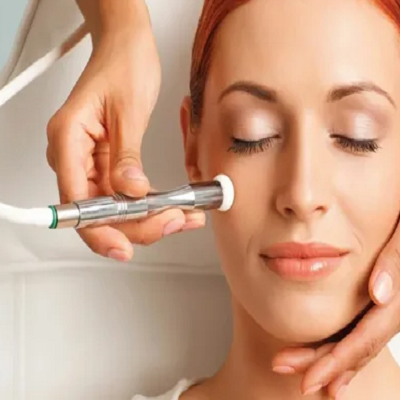
Laser Treatment in Dubai is not a single experience but a whole family of technologies, and that variety is exactly why results differ so much between clinics. A coherent plan begins with an honest question about the skin concern, because acne scarring, pigmentation, texture, and ageing respond to completely different wavelengths. The purpose of this guide is to explain how a dermatologist builds a plan around light, one considered step at a time.
Patients who understand the logic behind their Cosmetic Laser Treatments Dubai appointment are far better prepared for the result, because expectations that match the technology are expectations that actually get met. This article covers how different lasers are chosen, how sessions are sequenced, and what realistic maintenance looks like a full year after the final visit.
Readers curious about Laser Dermatology In Dubai will also learn what a medical approach adds to a treatment that many providers sell as a purely cosmetic service. When the underlying skin is examined and the wavelengths are selected on medical evidence, the outcome becomes more durable and considerably safer.
Why a Laser Plan Starts With the Skin, Not the Machine
One Laser Cannot Do Everything
The first rule of organised care is that Laser Treatment in Dubai should be chosen backwards from the diagnosis rather than forwards from a machine. A device that excels at breaking pigment does almost nothing for deep wrinkles, and a resurfacing wavelength is entirely the wrong tool for flushing. Matching the actual problem to the correct technology is the whole foundation of a successful course.
Photography and examination come before any energy is delivered. A dermatologist records the baseline of the skin, reviews the medical history, and tests how the tissue reacts to light, because the same wavelengths that suit one skin type can damage another. That clinical screening is invisible in brochures, yet it quietly decides everything that follows.
Common Concerns and Their Natural Partners
Pigment spots, broken capillaries, dull texture, and premature lines each respond to specific wavelengths, and a skilled plan often combines two different lasers within a single season. The sequence matters as much as the selection, since treating the texture before the pigment, for example, changes how the skin heals between the appointments.
This is also why the same clinic can produce vastly different programmes for two patients who arrive with very similar complaints. Skin depth, sensitivity, colour, and healing history all steer the choice, and any provider offering a fixed universal package is clearly starting from the wrong direction.
A good first visit ends with more than an estimate; it ends with the doctor able to say which laser treats which concern in which order, and what each session is expected to contribute. That clarity is rarer than it should be, and it is the best sign that a genuine plan has been built.
How a Dermatologist Sequences the Sessions
Building the Foundation First
A professional sequence usually begins with the concern that covers the largest surface of the skin, because improving that area changes the whole face at once. Lower-energy sessions build tolerance first, and the confident rise in power between visits allows deeper wavelengths to work without provoking irritation or scarring.
Preparation is often prescribed several weeks before the first session, because skin that is properly protected, hydrated, and calm tolerates much higher energies with far less discomfort. The doctor may pause certain creams, adjust daily routines, and set clear expectations about what will be visible at each stage, all before the machine is even switched on.
The Rhythm of a Typical Course
Most courses run in a series of appointments spaced three to six weeks apart, which gives each treated layer enough time to repair and reveal its improvement. Changing the wavelength between visits is normal, because one laser often paves the way for another that works at a deeper level once the surface has begun to improve.
Reassessment happens throughout the course rather than only at the end. Photographs taken at every visit show whether the response is on track, and the plan is adjusted to the skin’s actual reaction instead of a rigid calendar, which is the practical meaning of a bespoke course.
The number of sessions is honest from the start, with the doctor explaining that the estimate may move as the skin responds. Some patients need fewer visits than predicted and some need more, and the flexibility of the plan is itself a sign of properly managed care.
How Perla Dermatology Clinic Can Help
Perla Dermatology Clinic plans every laser course around a medical reading of the skin rather than a promotional package. Each visit opens with an examination, each wavelength is chosen for the concern in front of the doctor, and each session is adjusted according to how the skin answered the previous one.
The clinic is led by Dr. Inas Musa, a specialist dermatologist with more than fifteen years of experience, which guarantees that the person planning the course is the person who truly understands the skin layers being treated. That clinical continuity changes the quality of the outcome in a way no equipment discount can match.
Patients receive realistic timelines, written protocols, and clear guidance between visits, so the whole course behaves predictably from the first session through maintenance. Questions between appointments are answered by the same team that planned the treatment, which keeps the process calm and consistent.
Cosmetic Laser Treatments Dubai: A Complete Plan
Documentation belongs in the journey too, because photographs taken at each step Cosmetic Laser Treatments Dubai let both the doctor and the patient see the real progress. Those records turn a subjective feeling into measurable evidence, and they direct the decisions made at every consultation that follows.
Expectations That Match the Science
Laser improvements are genuine but gradual, and most patients judge the outcome after the course concludes rather than after a single visit. Each session removes or rebuilds a fraction of the concern, and the accumulation of those small changes is what produces a satisfying overall result that feels natural rather than manufactured.
Redness, mild swelling, or a gritty sensation in the treated areas is normal in the days after treatment, and careful aftercare turns those reactions into productive repair. Sun avoidance, gentle cleansing, and a barrier-supporting routine are not optional extras but essential parts of the treatment itself.
Maintenance deserves a place in the plan from the very beginning, because most results loosen slowly under sunlight and age. One or two refresher appointments each year, supported by medical skincare, keeps the completed work looking fresh without requiring a second full course of treatment.
Realistic expectations also include the quiet pause between sessions, where the skin does its invisible work. Encouraging patients to judge progress through photographs rather than a mirror in the days after each visit stops them from mistaking temporary redness for a failure of the treatment.
Laser Dermatology In Dubai: The Medical Difference
For many patients, that medical discipline is precisely the reassurance they need, because Laser Dermatology In Dubai done properly is both safe and effective, while the same hardware used carelessly carries avoidable risk. The machine is only half the story, and the doctor behind it is the other half.
Frequently Asked Questions
How many sessions will I actually need?
It depends on the concern, the wavelength, and the response of the individual skin. Pigment conditions might run three to five sessions, while deeper remodelling can need considerably more. The doctor estimates the course during the consultation and then reviews that estimate honestly whenever the photographs show how the skin is responding.
Does laser treatment hurt?
Most patients describe a warm snapping sensation rather than genuine pain, and the integrated cooling keeps the skin comfortable throughout the session. Stronger wavelengths may call for numbing cream, which the clinic provides in advance. Any warmth settles quickly, and the aftercare guidance covers the first hours in careful detail.
Can all skin types be treated safely?
Modern lasers have made treatment far safer across more skin tones, but the assessment must always be honest about what a particular machine can deliver. A dermatologist tests a small area and observes the reaction before committing to a full session. That cautious approach protects every patient, and it matters most during the sunnier months.
How much time should I allow between appointments?
Most courses run three to six weeks apart, so the skin can finish repairing before the next wavelength arrives. The exact interval depends on the depth of treatment and the healing history of the individual patient. The doctor sets the rhythm from the start and adjusts it whenever the reaction suggests a different pace.
Can I wear makeup after a laser session?
Usually from the following day, once the treated skin has had time to calm. The first few hours are best kept completely clean, with sunscreen and a gentle moisturiser taking priority over cosmetics. When deeper treatments are performed, the clinic will specify the exact window before any makeup can return.
Will my results last?
Results last as long as the skin is guarded against the factors that created the concern in the first place. Sun protection is the single strongest influence, supported by a sensible medical skincare routine and occasional refresher sessions. Brought together, those habits keep the completed work visible for many years.
Conclusion
A coherent laser plan begins with the diagnosis and ends with maintenance, and every session in between follows from the same medical reasoning. Patients who can see that logic arrive at each appointment knowing what the wavelength is meant to achieve and how long the result will take to appear.
The difference between a machine and a treatment is decision-making, because the same hardware can improve skin magnificently or barely at all depending on who plans it. Keeping that decision-making inside a physician-led clinic means every course is built on evidence rather than advertising.
Maintenance is not an afterthought but the second half of every sound plan, sustained by sun protection, a simple routine, and the occasional refresher visit. Those quiet habits hold the finished work in place for years rather than months, and they cost a fraction of the original course.
Anyone considering the treatment should begin with a consultation that explains the diagnosis, the wavelengths, and the expected course in plain language. That conversation, more than any equipment list or discount, is the strongest signal a clinic can give about the standards of its medical practice.