
How Can Hospitality Architecture Services Transform the Guest Experience?
- Education
- Sep 08
- Share post
In the hospitality industry, creating a memorable guest experience goes far beyond providing comfortable rooms and quality services. Today, guests pay close attention to the atmosphere, layout, design, and overall feeling of a hotel, resort, restaurant, or other hospitality space. This is where thoughtful architecture can make a meaningful difference.
Well-planned hospitality architecture services combine functionality, aesthetics, technology, and human-centered design to create spaces that guests remember. From the moment visitors enter a property, architectural choices can influence how they feel, how easily they move through the space, and how they interact with their surroundings.
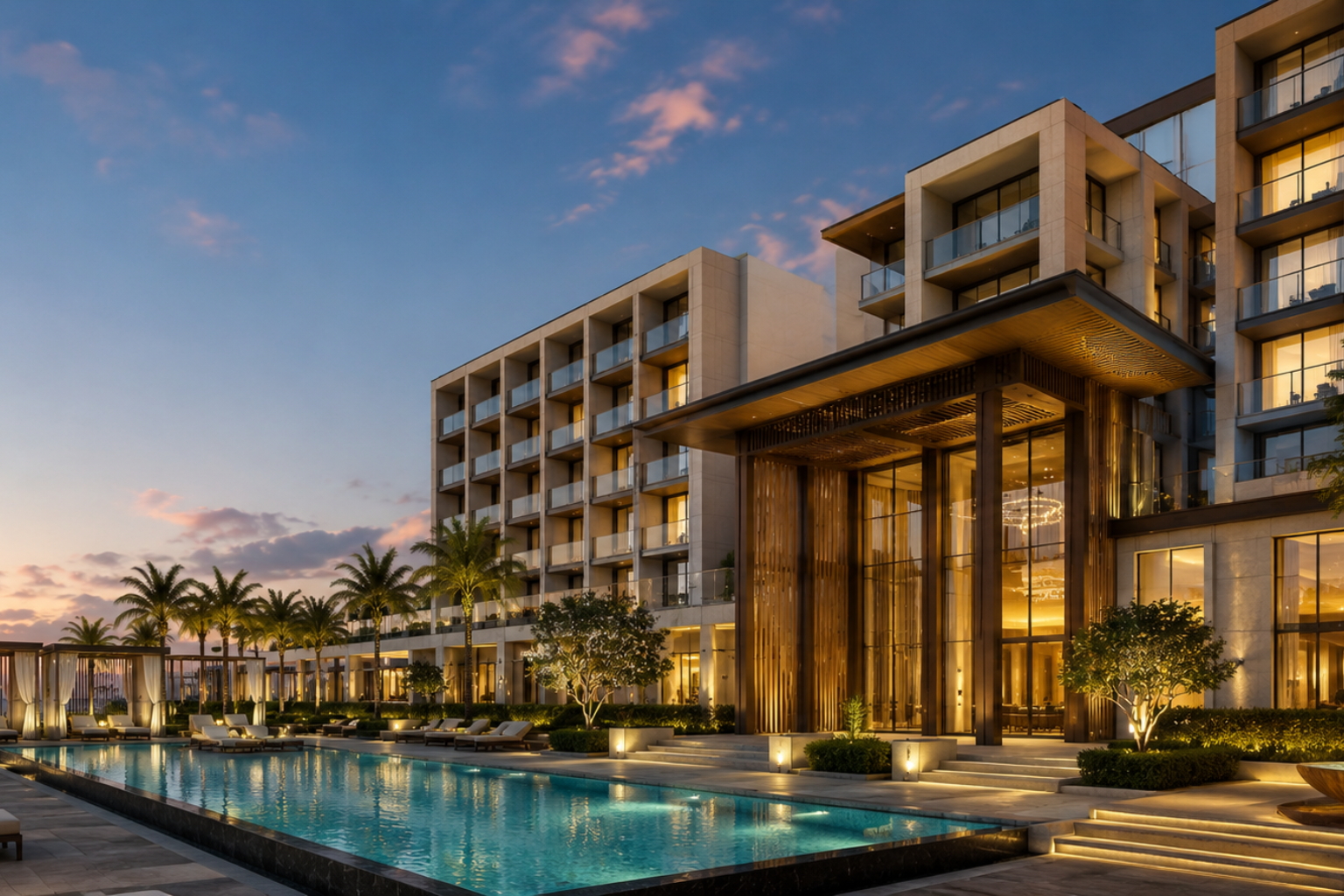
Creating a Strong First Impression
A guest’s experience often begins before they reach their room. The entrance, reception area, lighting, landscaping, and overall building design all contribute to the first impression.
An attractive entrance can immediately communicate the personality of a hospitality brand. For example, a luxury resort may use natural materials, open spaces, and dramatic landscaping to create a sense of exclusivity. A modern city hotel might instead focus on clean lines, contemporary interiors, and efficient circulation.
Professional hospitality architecture services help businesses develop an entrance and reception area that reflects their brand while making guests feel comfortable and welcomed.
Designing Spaces Around Guest Needs
Good hospitality architecture is not simply about making a property look attractive. It is also about understanding how guests use the space.
A well-designed hotel should make movement intuitive. Guests should be able to locate reception desks, elevators, restaurants, lounges, and other facilities without unnecessary confusion. Similarly, bedrooms should provide a practical balance between relaxation, storage, privacy, and functionality.
Architects consider factors such as room proportions, furniture placement, natural light, acoustics, ventilation, and accessibility. These details may seem small individually, but together they can have a significant impact on guest satisfaction.
Improving Comfort Through Thoughtful Design
Comfort is one of the most important elements of the hospitality experience. Architecture can influence comfort through elements such as temperature control, daylight, ventilation, sound management, and spatial planning.
Large windows can bring natural light into guest areas, while carefully positioned openings can provide views and ventilation. Acoustic planning can help reduce unwanted noise between rooms and common areas. Well-planned circulation can also prevent crowded or uncomfortable spaces.
The objective is to create an environment where guests can relax naturally rather than constantly noticing the building around them.
Connecting Guests With the Local Environment
Modern travelers often want more than a standardized hotel experience. They want to feel connected to the destination they are visiting.
Architecture provides an opportunity to bring local identity into hospitality spaces. Materials, colors, landscaping, cultural references, traditional construction techniques, and regional design influences can all be incorporated into a contemporary project.
For hospitality businesses, this approach can make a property feel distinctive rather than interchangeable. A building that reflects its surroundings can become part of the destination itself.
Using Technology Without Losing Human Connection
Technology is becoming increasingly important in hospitality. Smart room controls, digital check-in systems, automated lighting, energy management, and connected services can make a guest’s stay more convenient.
However, technology should support the guest experience rather than make the environment feel impersonal. Architectural planning plays an important role in determining where technology is introduced and how it interacts with physical spaces.
With the right approach, technology can remain discreet while improving convenience, efficiency, and personalization.
Supporting Sustainability and Long-Term Value
Sustainability is another major consideration in modern hospitality design. Guests are becoming more aware of environmental issues, while hotel and resort owners are looking for ways to reduce operating costs.
Sustainable architectural strategies may include energy-efficient building systems, natural ventilation, daylight optimization, water-saving solutions, locally sourced materials, and responsible landscaping.
Effective hospitality architecture services can integrate these considerations from the earliest planning stages. Instead of adding sustainability features later, architects can make environmental performance part of the building’s fundamental design.
This can benefit both the environment and the business by improving operational efficiency and potentially reducing long-term maintenance and energy expenses.
Why the Right Architecture Partner Matters
Every hospitality project has different goals, guests, location requirements, and operational challenges. A boutique hotel may need a completely different design approach from a large resort or serviced apartment development.
This is why choosing an experienced architecture partner is important. Vaaeng focuses on developing design solutions that balance visual appeal with practical requirements. By considering the guest journey, functionality, brand identity, and long-term performance, an architecture team can help transform an ordinary property into a more engaging hospitality destination.
The best results come from collaboration between architects, owners, operators, interior designers, engineers, and other project stakeholders. When everyone works toward a shared vision, the final space is more likely to deliver both operational value and a memorable guest experience.
Conclusion
Architecture has the power to shape how people feel, behave, and remember a place. In hospitality, this influence is particularly important because every physical detail contributes to the overall guest journey. From welcoming entrances and comfortable rooms to sustainable systems and locally inspired spaces, thoughtful design can turn a building into an experience. Investing in professional hospitality architecture services allows hospitality businesses to create environments that are functional, distinctive, comfortable, and aligned with modern guest expectations. With a design-focused approach from Vaaeng, hospitality spaces can move beyond simply accommodating visitors and instead create experiences that encourage guests to stay longer, return in the future, and recommend the property to others.