
University of Brighton Campus and Learning Facilities
Choosing a university involves looking beyond course titles and entry requirements. The environment where students study can have a major influence on their academic experience, daily routine, social life, and personal development. Modern learning spaces, specialist facilities, libraries, digital resources, and comfortable areas for collaboration can help students make the most of their time in higher education.
The University of Brighton offers a multi-campus university experience with learning environments designed for different subjects and styles of study. From specialist teaching facilities and libraries to digital learning resources and spaces for independent work, students can access a range of resources throughout their academic journey. Its location on the south coast of England also gives students opportunities to experience the wider city of Brighton alongside university life.
Why Campus Facilities Matter
A university campus is more than a collection of classrooms. Students may spend time attending lectures, conducting research, completing practical work, studying independently, meeting classmates, using technology, and participating in extracurricular activities.
Good facilities can support these different activities by providing appropriate environments for learning and collaboration. The University of Brighton offers facilities across its campuses and academic schools, with resources varying according to the subject being studied.
1. Multiple Campus Locations
The University of Brighton has several campus locations, each serving different academic and student needs.
Students should understand where their course is primarily taught before choosing accommodation or planning their daily travel. Campus locations can affect commuting time, access to facilities, and participation in activities.
Prospective students should check current course information to understand which campus buildings and facilities are relevant to their programme.

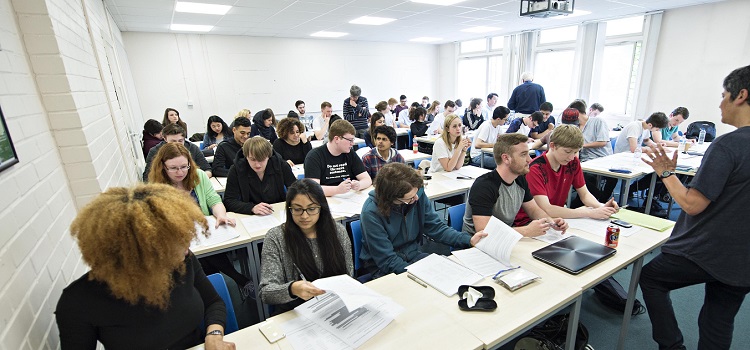
2. Modern Teaching Spaces
Teaching spaces form the foundation of everyday university learning.
Students may use lecture theatres, classrooms, seminar rooms, workshops, and other teaching environments depending on their course.
Different spaces can support different teaching approaches. Lectures may introduce key concepts, while seminars can encourage discussion and practical sessions can help students apply knowledge.
A varied learning environment can make academic study more engaging and interactive.
3. Specialist Facilities for Different Subjects
Different academic disciplines require different resources.
Students studying subjects such as engineering, computing, health, science, architecture, art, design, media, or other practical fields may require specialist equipment and environments.
The University of Brighton provides subject-specific facilities that can support practical learning and professional skill development.
Students should investigate their particular school or course to understand exactly which facilities they will use.
4. Libraries and Study Resources
Libraries remain an essential part of university education.
Students need access to academic books, journals, databases, electronic resources, computers, and suitable study spaces for coursework and research.
The University of Brighton library services can support students throughout their studies, helping them locate reliable information and develop effective research habits.
Learning how to use academic resources efficiently can improve both assignments and independent study.
5. Quiet Study Areas
Students have different preferences when it comes to studying.
Some learners work best in quiet individual spaces where they can concentrate without distractions.
Access to suitable study areas can be especially valuable during assessment and examination periods, when students may need longer periods of focused work.
Students can explore available library and campus study spaces to find an environment that suits their learning style.
6. Collaborative Learning Spaces
Modern university education often involves teamwork.
Students may work together on presentations, research projects, design tasks, case studies, and other assignments.
Collaborative learning spaces can make it easier for students to exchange ideas and complete group work.
These activities can also strengthen communication, teamwork, problem-solving, and leadership skills.
7. Digital Learning Resources
Technology plays an increasingly important role in higher education.
Students may use online learning platforms, digital libraries, academic databases, specialist software, and other online tools as part of their studies.
Digital resources can allow students to access course materials, submit assignments, communicate with staff, and continue learning outside scheduled teaching.
Developing strong digital study habits can also help students prepare for modern workplaces.
8. Computer and IT Facilities
Reliable access to computers and technology can be important for students across many subjects.
Students may need technology for research, programming, data analysis, design, presentations, writing, or specialist academic tasks.
The exact equipment and software available can vary between courses, so prospective students should research the technology relevant to their programme.
9. Practical and Hands-On Learning
Practical experience can help students understand how academic concepts work in real situations.
Depending on the course, students may participate in experiments, workshops, clinical activities, fieldwork, design projects, simulations, or other practical exercises.
The University of Brighton learning environment supports practical approaches in disciplines where hands-on experience is particularly important.
10. Creative and Design Facilities
Students studying creative subjects may require specialised studios and production environments.
Art, design, media, architecture, and related disciplines can involve activities such as creating projects, developing concepts, using equipment, and presenting finished work.
Access to appropriate creative facilities can help students experiment with ideas while developing practical and professional skills.
11. Health and Clinical Learning Environments
Students preparing for healthcare-related professions often require specialist learning facilities.
Clinical and simulation-based environments can help students develop practical skills in controlled settings before applying them in professional situations.
Students interested in healthcare programmes should investigate the specific facilities associated with their course and understand how practical learning forms part of the curriculum.
12. Research Facilities
Research is an important part of university education, particularly for students completing major projects or considering postgraduate study.
Students may use libraries, specialist equipment, laboratories, digital resources, and academic facilities to support research.
The University of Brighton environment can provide opportunities for students to develop research skills while exploring questions related to their subjects.
13. Academic Support Within Learning Environments
Facilities become more valuable when students know how to use them effectively.
Academic staff, library teams, technical staff, and other university services can help students understand available resources.
Students should ask questions when they are unsure about research databases, software, equipment, study methods, or academic resources.
14. Accessible Learning Facilities
Accessibility is an important part of a positive university experience.
Students may have different physical, sensory, learning, or other access requirements. Appropriate facilities and support can help students participate more effectively in university life.
Prospective students who require specific adjustments should contact the University of Brighton before starting their studies to discuss relevant support and facilities.
15. Campus Spaces for Student Life
University life is not limited to academic buildings.
Students also need spaces where they can relax, meet friends, eat, participate in activities, and take breaks between classes.
Campus social spaces can help create a sense of community and provide opportunities for students to connect with others.
16. Student Societies and Activities
Student societies can complement formal learning.
Students can join groups based on academic subjects, hobbies, cultures, sports, volunteering, careers, and other interests.
Participating in societies can help students develop confidence, communication, organisation, teamwork, and leadership skills.
17. Sports and Recreation
Physical activities can provide a useful balance to academic work.
Students can explore sports, fitness, recreational activities, and university teams depending on availability.
Taking part in sport can provide opportunities to meet people while developing teamwork and maintaining an active routine.
18. Learning Beyond the Classroom
Some of the most valuable learning experiences happen outside traditional teaching spaces.
Field trips, community projects, employer activities, volunteering, practical assignments, and extracurricular events can help students apply their knowledge in different environments.
These experiences can strengthen both subject understanding and transferable skills.
19. Studying in Brighton
The location of the University of Brighton adds another dimension to student life.
Brighton is known for its seaside setting, cultural activities, creative communities, entertainment, restaurants, and diverse urban environment.
Students can experience the city alongside their studies, creating opportunities to explore interests beyond campus.
20. Choosing Facilities That Match Your Course
Not every student needs the same facilities.
A computing student may prioritise specialist software and computer resources, while an engineering student may focus on laboratories and workshops. A creative student may care more about studios and production equipment.
Before applying, prospective students should research the facilities directly connected to their chosen course rather than evaluating a university only on general campus features.
How to Make the Most of University Facilities
Students can benefit from campus resources by exploring them early.
Visit the library, learn how digital resources work, attend introductory sessions, discover study spaces, use specialist facilities responsibly, and ask staff for guidance when needed.
It is also useful to identify quiet study areas and collaborative spaces before assessment periods become busy.
What Prospective Students Should Check
Before choosing the University of Brighton, consider:
- Course-specific facilities
- Campus location
- Teaching spaces
- Library resources
- Digital learning tools
- Computer facilities
- Specialist equipment
- Research opportunities
- Study spaces
- Accessibility
- Student spaces
- Sports and recreational activities
- Travel and accommodation
Students should compare these factors with their own academic requirements and lifestyle preferences.
Final Thoughts
The University of Brighton provides a range of campus and learning facilities designed to support different academic disciplines and student needs.
From libraries and digital resources to specialist teaching environments, practical facilities, study areas, and collaborative spaces, students can access resources that complement classroom learning.
However, the most important facilities will depend on the course. Prospective students should investigate the specific resources available within their chosen programme before making a decision.
Ultimately, a university environment can contribute significantly to academic development and student life. By using available facilities actively and combining campus resources with independent learning, students can build a more productive and rewarding experience at the University of Brighton.